

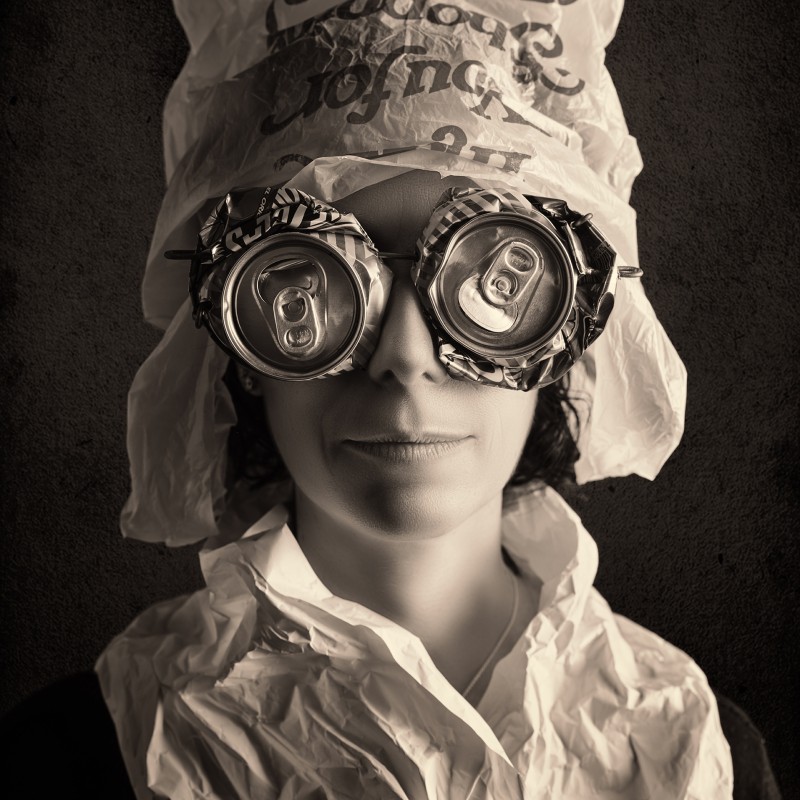
Creativity isn't a lightning bolt that strikes at random — it's a muscle you build on set, out on the street and, above all, in your mind. After years working in the world of image-making, I've learned that creative blocks aren't a sign of missing talent; they're a sign of missing strategy.
If your photos or videos have started to feel repetitive, here are 5 actionable tips to break the mould and take your visual language to the next level.
1. The Self-Imposed "Creative Constraint"
Paradoxically, having too much gear is often what kills innovation. When every lens is at your fingertips, you stop moving.
The Challenge: Spend a full day shooting with just one prime lens (a 35mm or 50mm works perfectly).
Why it works: Without the crutch of zoom, your feet and your eye are forced to hunt for angles you'd normally walk straight past. Constraint pushes you to compose — not just to capture.
2. Watch Cinema, Not Just Social Media
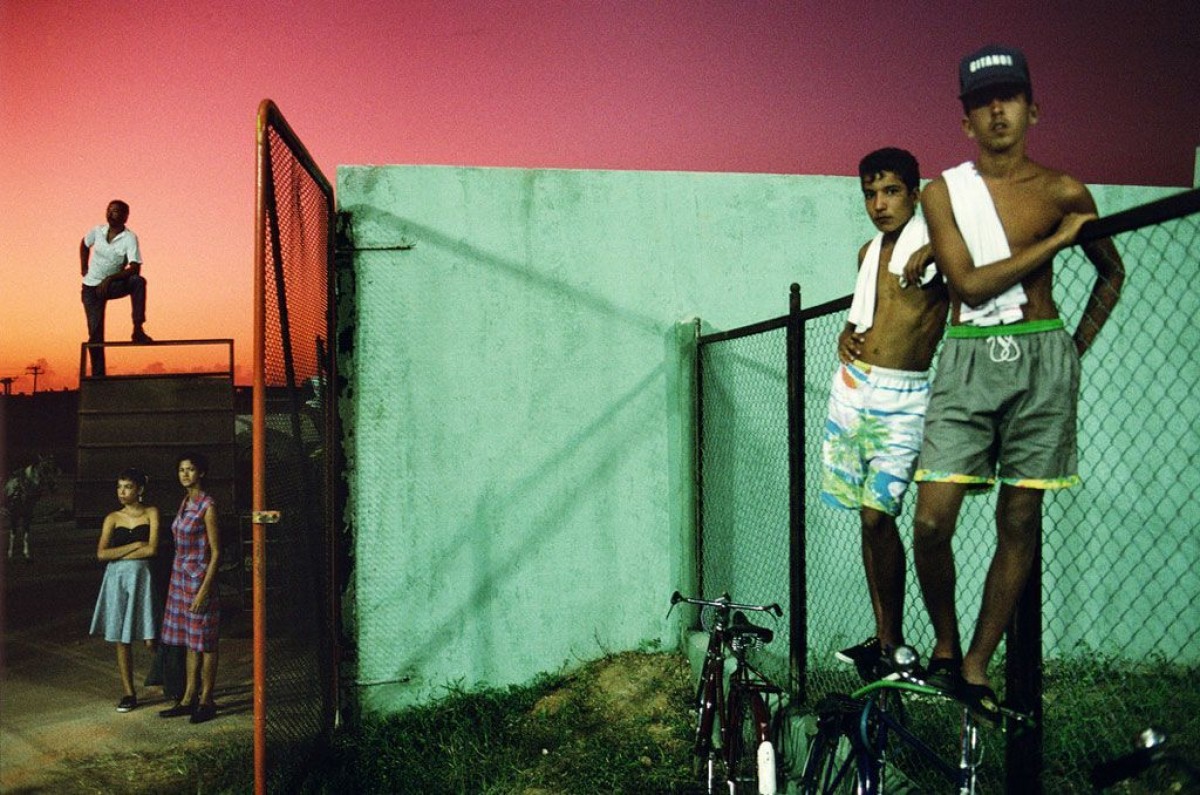
Instagram and TikTok are great for trends, but film is where visual language reaches mastery. To develop a truly deep eye, study how cinematographers use light to convey emotion — without a single word.
Pro Tip: Watch a classic film on mute. Notice how the direction of light and the framing establish the hierarchy between characters. Then try to replicate that lighting scheme in your next portrait.
3. Master "Uncomfortable" Light
Most photographers run from harsh midday sun or dense shadows. The expert embraces them. Creativity flourishes when you stop chasing the "perfect light" and start using whatever light is available in a dramatic, intentional way.
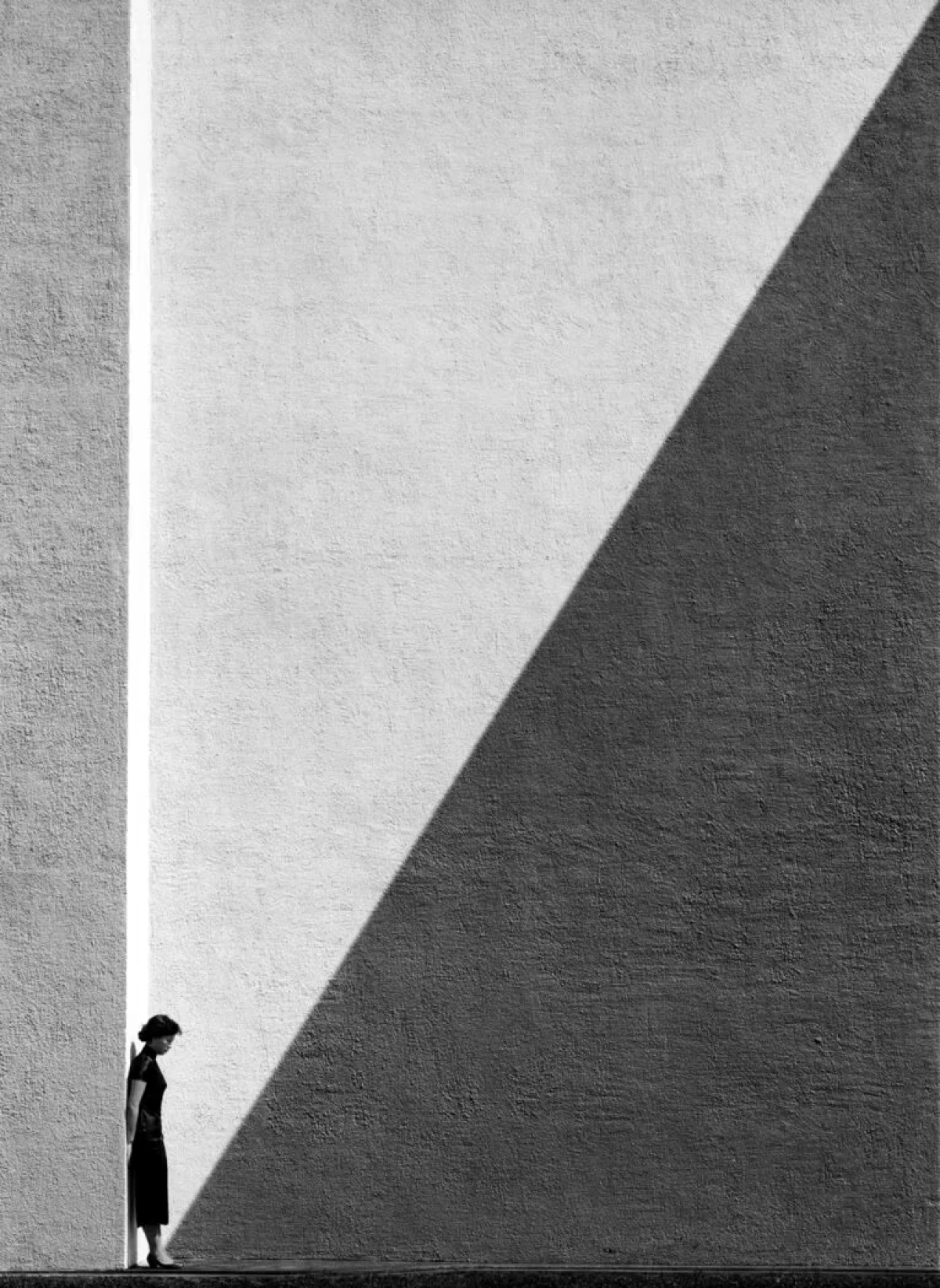
Exercise: Seek out hard light that creates geometric shadows. Use high contrast to conceal information and let the viewer's imagination complete the image. Less really is more.
4. The "Everyday Object" Project
Don't wait for an epic trip or a professional model before you create. Creativity sharpens itself on the ordinary.
The Practice: Pick something mundane from around your home — a chair, a coffee cup, a plant — and challenge yourself to take 10 completely different photos of it. Shift the perspective, the depth of field, the exposure. If you can make a coffee cup look compelling, you can photograph anything in the world.
5. Consume Art Away from the Screen
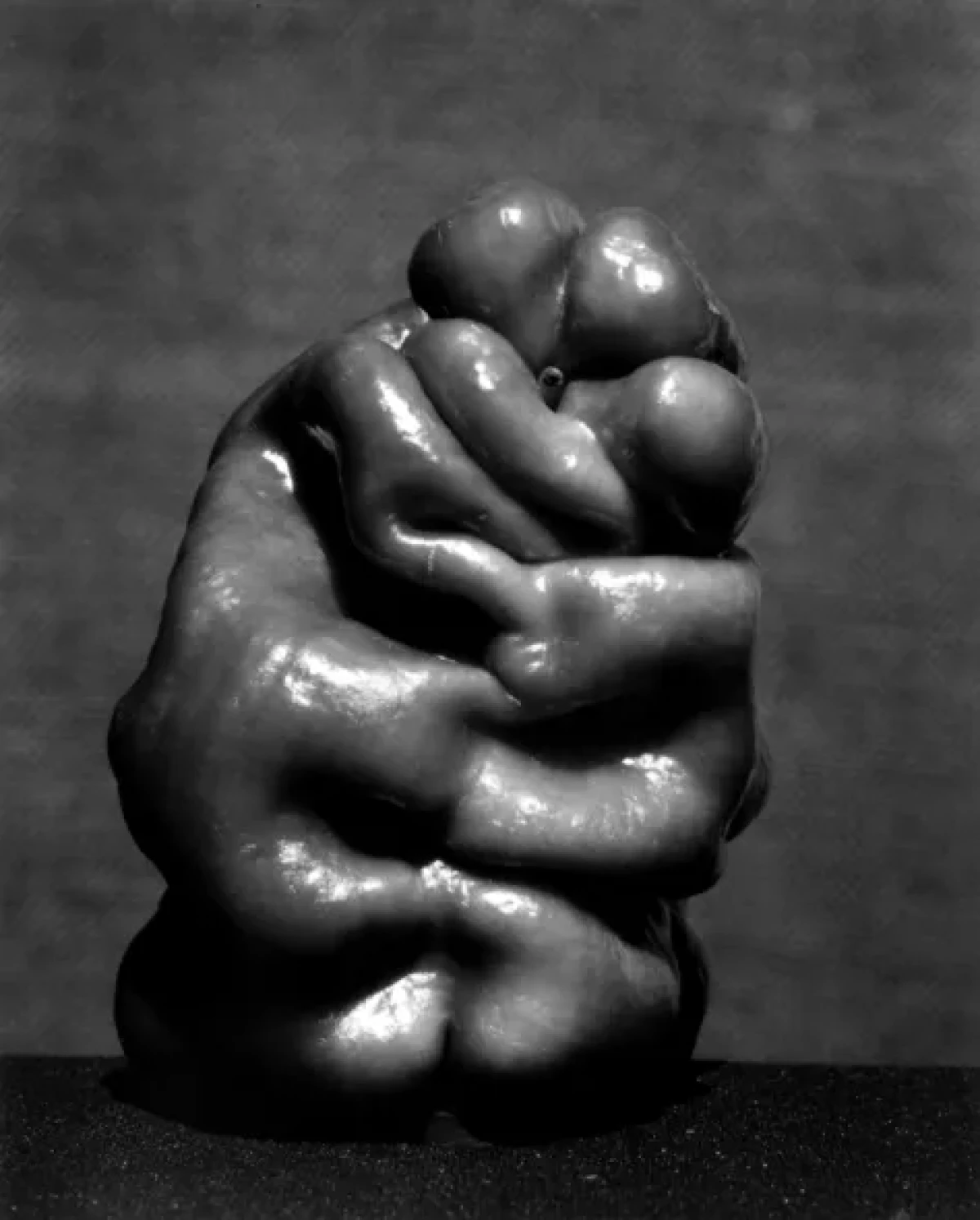
Inspiration for a photographer doesn't always come from photography. Visit classical painting museums, read poetry or listen to complex music.
The Connection: Study how Renaissance painters handled chiaroscuro, or how a poem renders a texture in words. Translating ideas from other art forms into images is precisely what separates a technician from an artist with a voice of their own.
Expert Note: Technique can be learned from manuals, but vision is built through curiosity. Don't be afraid to fail — a memory card full of attempts is worth far more than a camera gathering dust in your bag.
Ready to take your vision to the next level?
Theory is the first step, but mastery comes through guided practice. At Instituto IMAGO, our workshops are designed to help you command your equipment and find your own visual voice. Don't stop at reading — come and create with us.
Subscribe to our newsletters
The latest news, articles and resources sent to your inbox weekly.
Comments
Be the first to comment
Leave a comment