

Key takeaways
- Manuel Álvarez Bravo is not the destination of twentieth-century Mexican photography — he is the starting point from which everyone else begins to make sense.
- Nacho López and Héctor García built an urban documentary language that still has no real equivalent in contemporary Mexican photography, and theirs is the link most often left out of standard accounts.
- If you study Graciela Iturbide purely as a "photographer of indigenous people," you are misreading her work. Her central question is about representation itself, not about the people she photographs.
- Twentieth-century Mexican photography had two moments of rupture that almost no one names together: muralism as the visual context of the 1930s and 40s, and the 1968 student movement as the catalyst for a documentary practice that could never again claim innocence.
Whenever someone searches for the "best Mexican photographers of the twentieth century," they find more or less the same list. Álvarez Bravo comes first, Iturbide and Tina Modotti appear — even though Modotti was Italian — Lola Álvarez Bravo gets a passing mention, and the article ends there. That list isn't wrong. It's incomplete in a way that matters: it leaves out the thread connecting those names and explaining why their work is worth what it's worth.
What I want to do here isn't offer yet another roll call of names and birth dates. It's to explain what these photographers were working through, what tradition they were pushing against, and what they left behind that you can still learn from by looking at their photographs today.
The problem with always starting with Álvarez Bravo
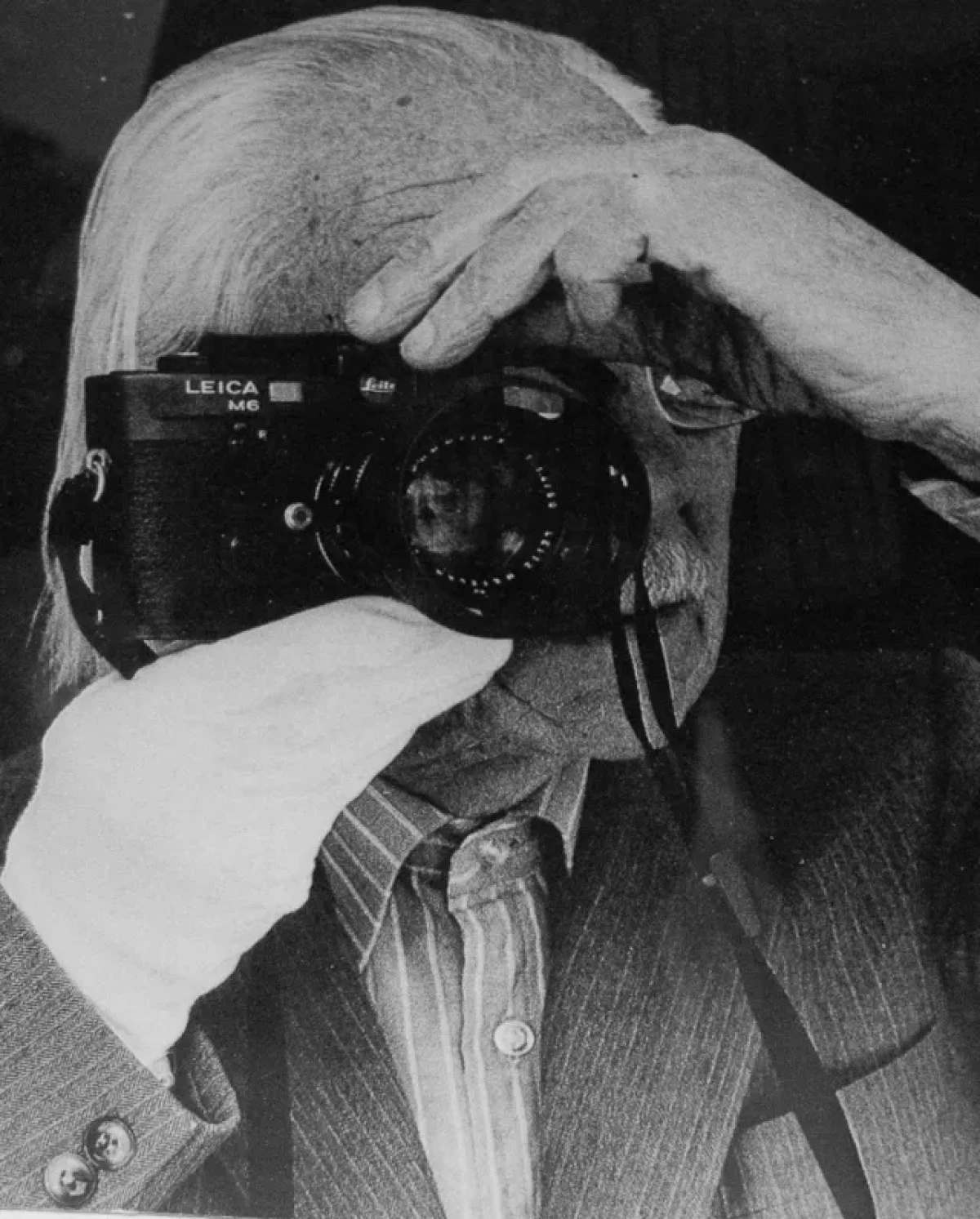
Manuel Álvarez Bravo (1902–2002) is the unavoidable name, and rightly so. But there is a trap in the way he is usually presented: as a monolithic figure, the "father" of something, when in reality he was a photographer who shifted his questions several times over the course of his life. The Álvarez Bravo of the 1930s — the one behind Striking Worker, Murdered (1934) and Good Reputation Sleeping (1938) — was doing something fundamentally different from the Álvarez Bravo of the 1970s. In the 30s he was negotiating with European Surrealism from a territory that was decidedly not European, building images that follow the movement's dreamlike logic while remaining rooted in a very specific Mexican materiality: the petate mat, pulque, the midday light in Oaxaca.
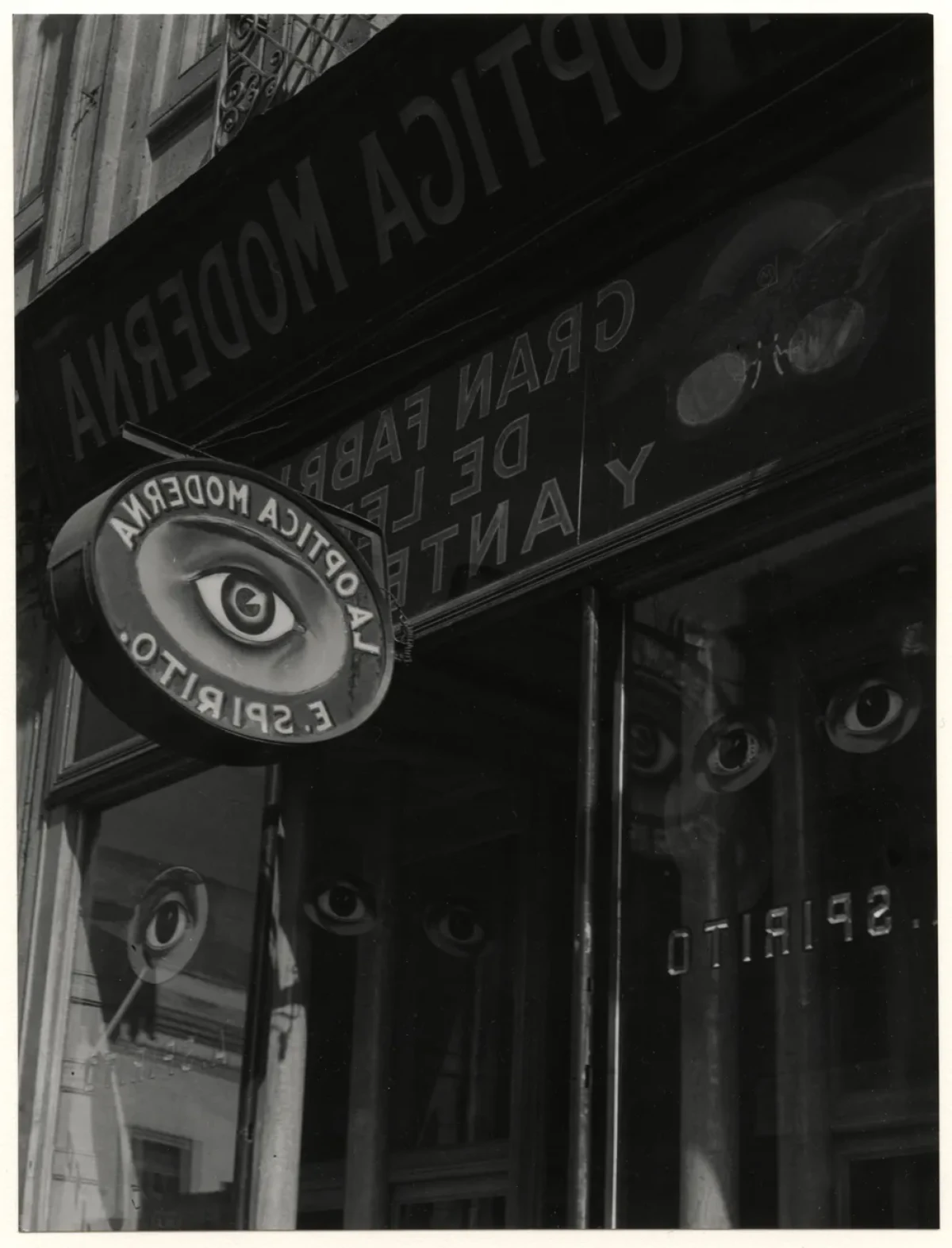
That rootedness is what sets him apart from his European contemporaries and why his work has aged better than much of theirs. He was not illustrating a theory. He was looking at what was in front of him with a curiosity that refused to resolve itself too quickly.
The most common pedagogical mistake is to present him as a destination. He is a starting point. Understanding Álvarez Bravo is a prerequisite for understanding why Nacho López did what he did — and why that work was a response, not a continuation.
Nacho López and Héctor García: the link that always gets skipped
Nacho López (1923–1986) and Héctor García (1923–2012) are the most undervalued photographers on general-interest lists, and they are arguably the most important for anyone who wants to understand what photography can do in a city.
López came to photojournalism in the 1950s, working for magazines such as Siempre! and Mañana. What he did was not photojournalism in the sense of recording events: it was the construction of situations that exposed social contradictions through a camera that acted as a provocateur. His 1953 series — in which he hired a strikingly beautiful model to walk through Mexico City's Historic Centre and photographed the reactions of men on the street — is a piece of social criticism that any conceptual photographer today would proudly sign off on without changing a single image. At the time, it was published in a mass-circulation magazine as though it were a light entertainment feature. That gap between how it was read and what it was actually saying is part of what makes it so compelling.
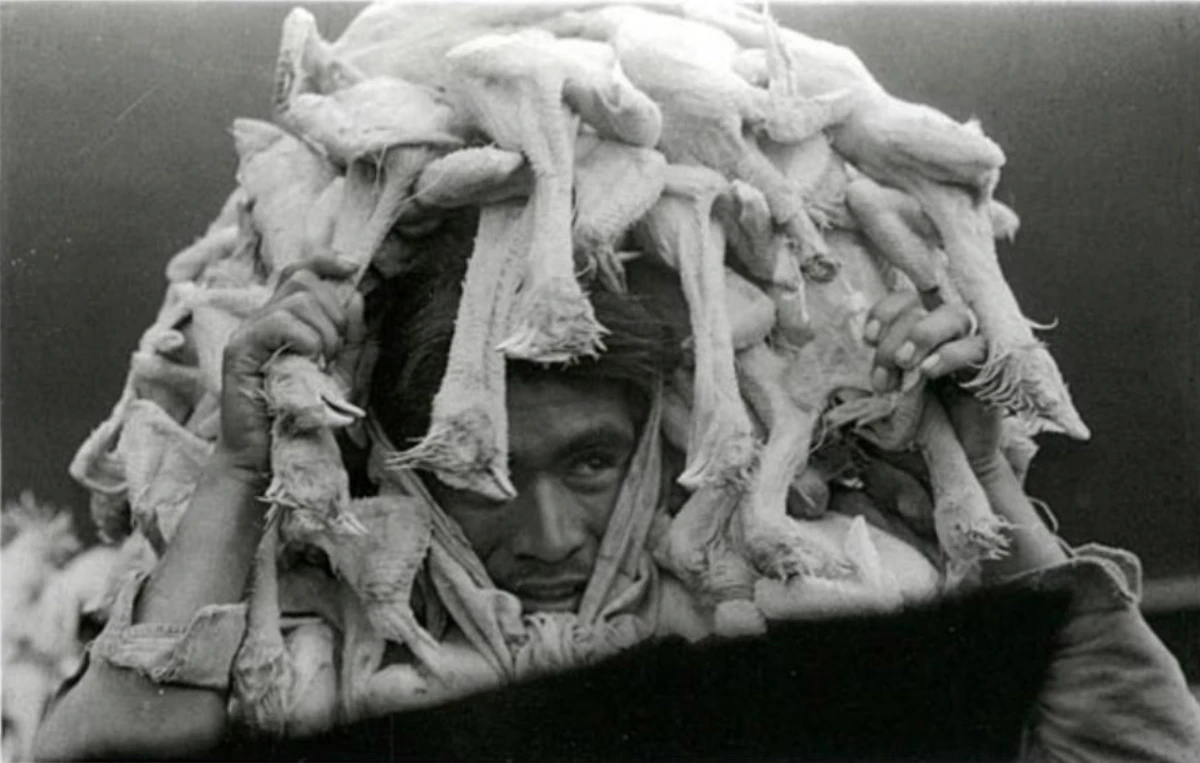
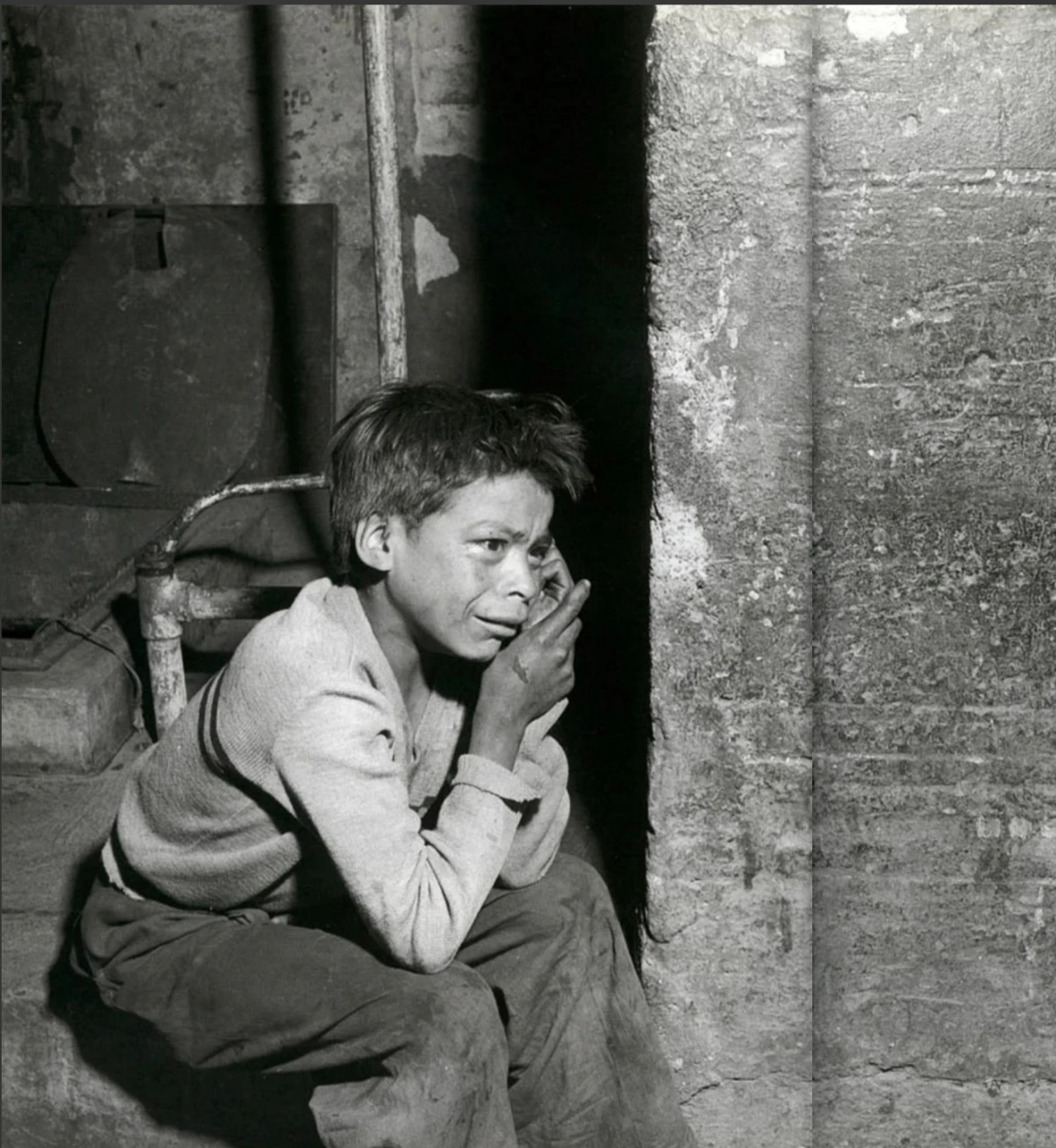
Héctor García is more direct and more unflinching. His photographs of the railway workers' movement of 1958–1959, his coverage of the 1968 repression, and above all his ability to photograph urban poverty without turning it into folklore, place him in a category with no equal in Mexico. The relationship he had with his subjects comes through in every image: there is no condescending distance, no exoticism. There is someone who knows the territory because it is his own territory.
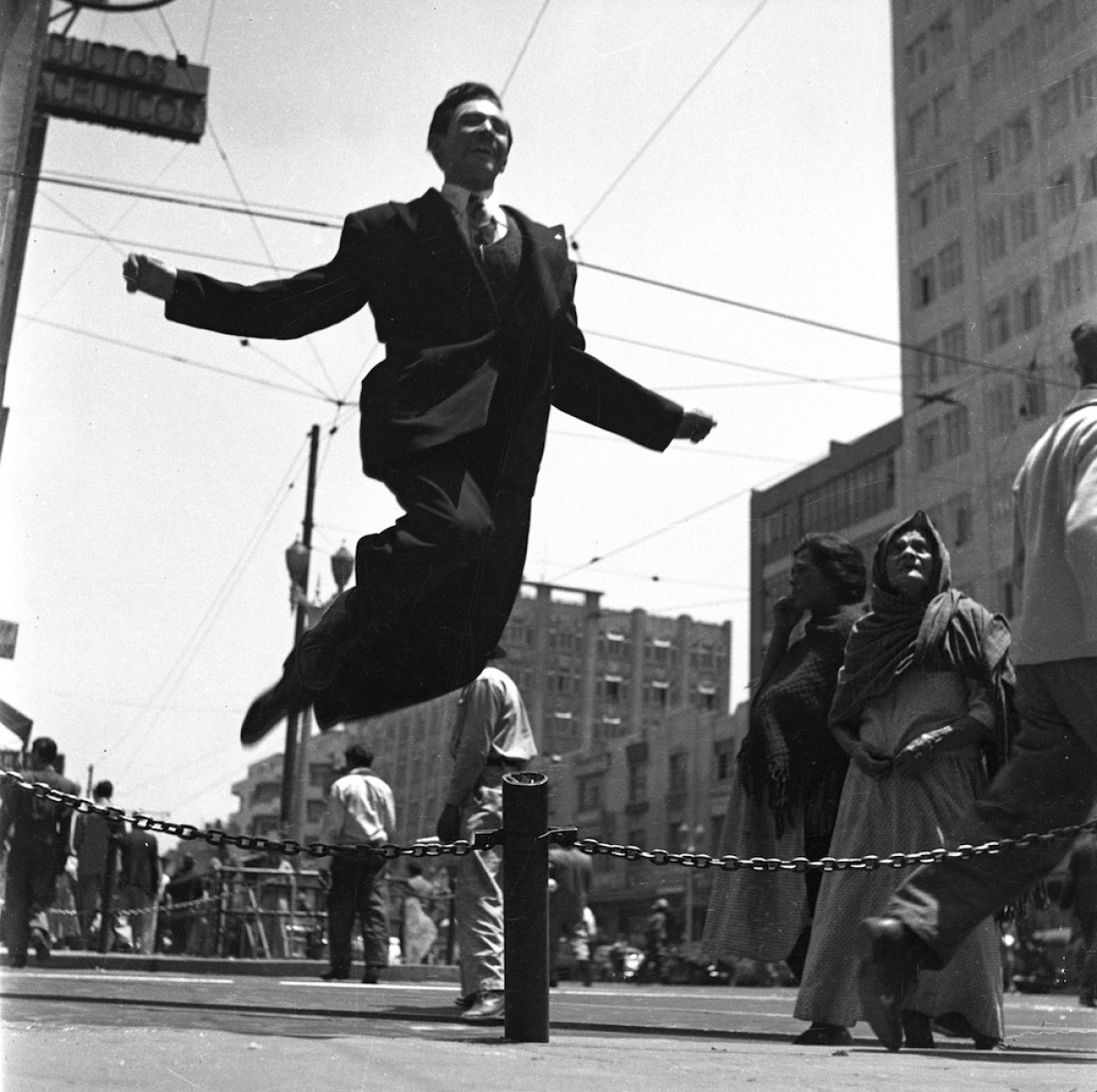
Together, López and García built what might be called a visual grammar of twentieth-century urban Mexico. To leave them out of any conversation about the greatest Mexican photographers of that century is like discussing Mexican cinema of the 1950s without mentioning Buñuel or Gavaldón.
Lola Álvarez Bravo: not "the wife of"
Lola Álvarez Bravo (1903–1993) still appears in many texts with the implicit label of satellite to her ex-husband. It is a mistake that reveals far more about the writer than it does about her work.
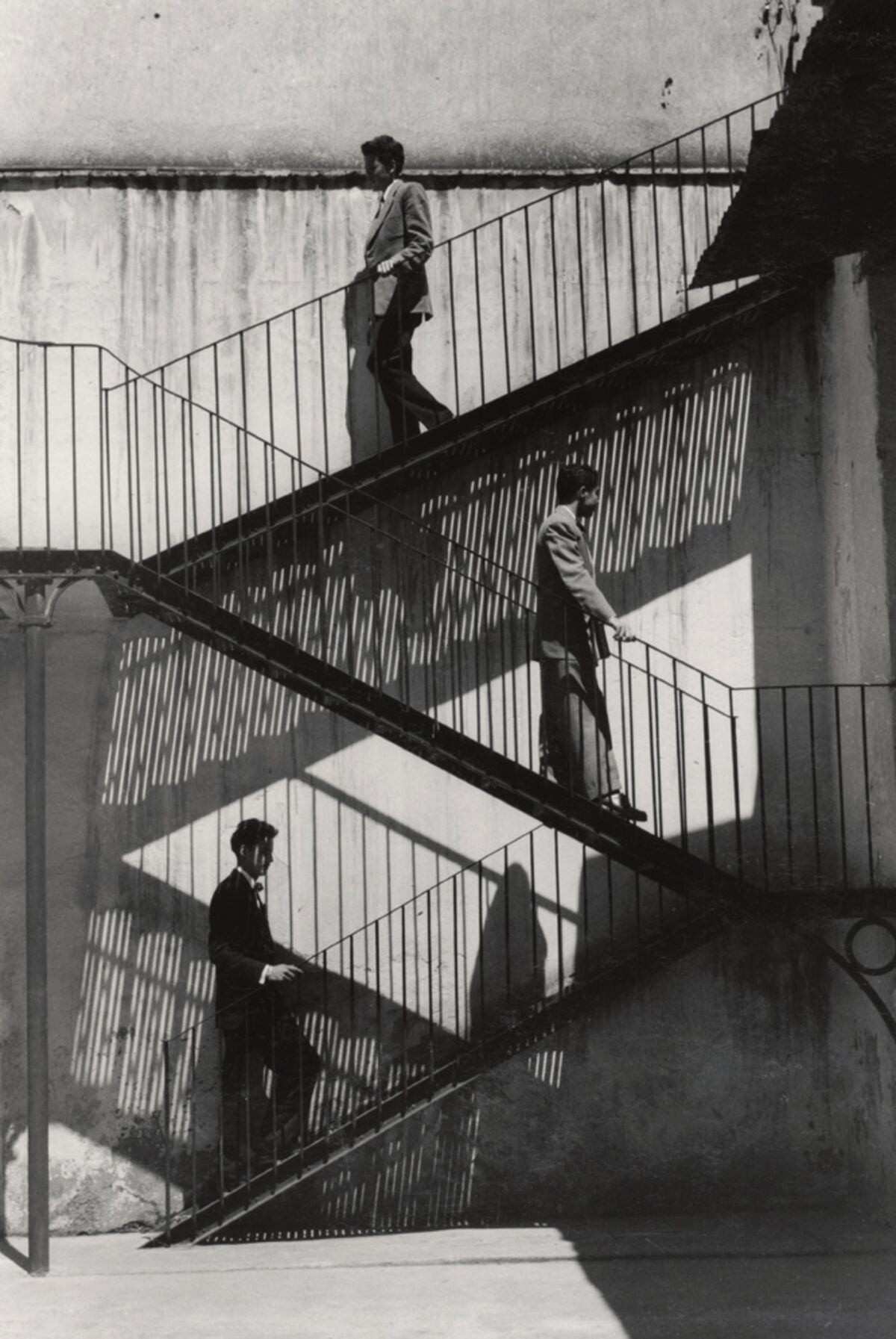
Lola developed a language of her own that in several respects is more interesting than Manuel's, precisely because it grapples with a tension he never had to resolve: that of being a woman photographing women in post-revolutionary Mexico, with everything that implies in terms of access, trust and representation. Her series of photomontages from the 1940s — blending documentary images with interventions that are almost graphic in nature — anticipates techniques that contemporary photography would rediscover decades later.
She also directed the Galería de Arte Contemporáneo in Mexico City, where in 1953 she organised Frida Kahlo's first solo exhibition. That alone makes her a central figure in twentieth-century Mexican culture, quite apart from her photography.
Graciela Iturbide and the question of who is looking at whom
Graciela Iturbide (Mexico City, 1942) is the name that comes up most often in international conversations about Mexican photography — and also the one most frequently misunderstood.
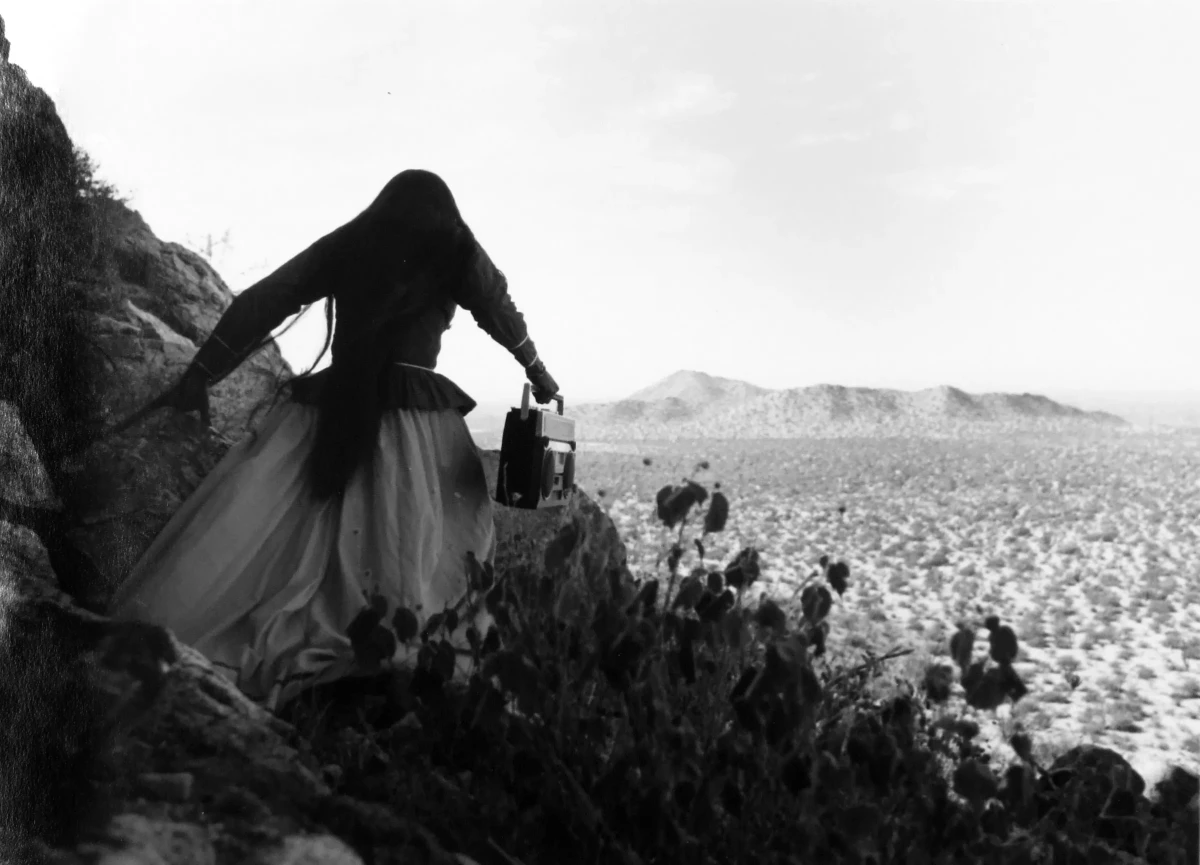
The lazy reading of her work — particularly the series Los que viven en la arena (1979), about the Seri people of Sonora, or Juchitán de las mujeres (1979–1988) — casts her as a documentarian of indigenous cultures. That is precisely what her work is not, or at least not primarily.
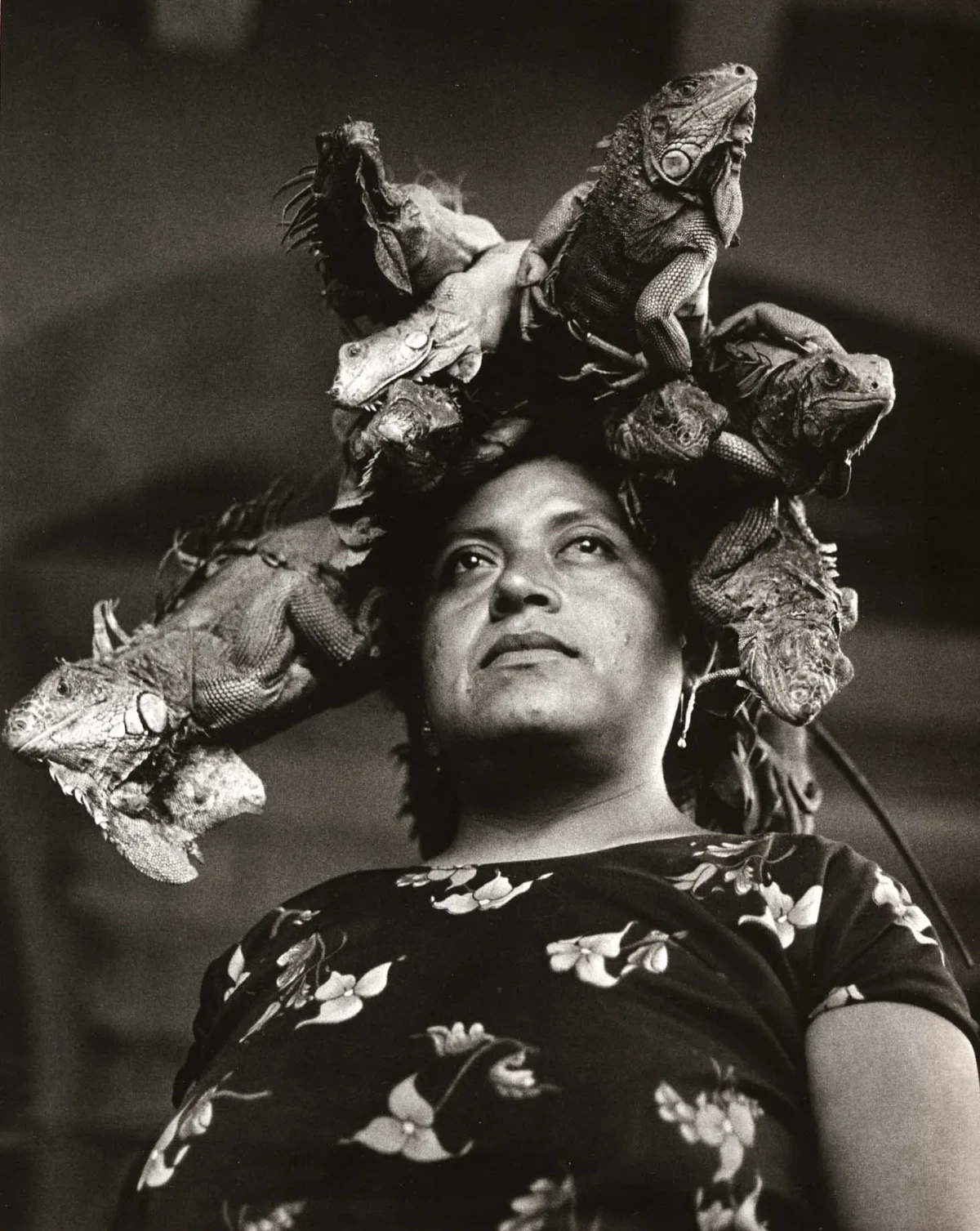
Iturbide photographs the negotiation between worlds. Nuestra Señora de las Iguanas (1979), perhaps her best-known image, is not an ethnographic document: it is an image about power, about the sacred and the everyday coexisting without resolution, about a woman who meets the camera with an authority that dismantles any hierarchy between photographer and subject. The underlying question running through almost all her work is: who holds the power in the photographic act? And her answer, frame by frame, is that it depends — and that dependence is precisely what makes it interesting.
She worked as an assistant to Manuel Álvarez Bravo in the early 1970s, and that influence is visible in her formal rigour. But her sensibility is something else entirely. Álvarez Bravo constructs enigmas. Iturbide constructs thresholds.
1968: the year that split Mexican photography in two
There is a before and an after in Mexican documentary photography, and the dividing line is 2 October 1968 at Tlatelolco.
Not because no one had photographed political events before — Héctor García had been doing it since the 1950s — but because 1968 turned the camera into an instrument with immediate legal and physical consequences. The photographers who covered Tlatelolco did so knowing their negatives could be confiscated, destroyed, or used against them. Several rolls of film from that night disappeared. Some photographers held on to material for years before publishing it.
That context transformed the relationship between documentary photography and power in Mexico in ways that have never been fully resolved. The distrust of the official image, the awareness that photographs can be suppressed, and the question of what to do with a compromising archive: all of this entered Mexican photographic practice after 1968 and never left.
Pedro Valtierra (Zacatecas, 1955), who technically belongs to the following generation, is impossible to understand without that context. His coverage of Central America in the 1980s and his subsequent work in Mexico bear the hallmark of that tradition: photography as an act of resistance with a real cost, not a metaphorical one.
What this photography demands of those who study it
Looking closely at twentieth-century Mexican photography requires setting aside two deeply ingrained habits.
The first is retrospective exoticism: reading these images as documents of "what Mexico was like" rather than as arguments about how to see. When López photographs Mexico City in the 1950s, he is not filing things away — he is making a case. Treating his work as historical archive rather than as art means missing half of it.
The second habit to let go of is the Europe-Mexico hierarchy. Twentieth-century Mexican photography is not a peripheral version of Surrealism or French humanism. It has its own concerns, its own Indigenous and colonial influences, and its own relationship to the public image that has no equivalent in any European photographic tradition. Muralism is not mere backdrop: it is the visual context in which photographers like Álvarez Bravo came of age, and it explains why Mexican photography of those years has a relationship with the human figure and with public space that is entirely different from that of their contemporaries in Paris or New York.
If you would like to explore that historical context and the avant-garde movements that were in dialogue with this photography, the course Introduction to the Artistic Avant-Gardes of the Early Twentieth Century covers exactly the period in which the photographers we have been discussing here came into their own.
Twentieth-century Mexican photography is one of the richest and most poorly understood traditions in the entire history of the medium. Not for lack of material: there are archives, monographs and exhibitions in abundance. What is almost always missing is the thread. That thread begins with Álvarez Bravo, runs through López and García, reaches Iturbide, and does not end anywhere comfortable. It ends with a question that every generation has to answer afresh.
Published in Articles
Subscribe to our newsletters
The latest news, articles and resources sent to your inbox weekly.

Comments
Be the first to comment
Leave a comment