

Key takeaways
- None of the photographers I mention here do the same thing: if you're looking for references, you need to know what visual problem you're trying to solve before deciding who to study.
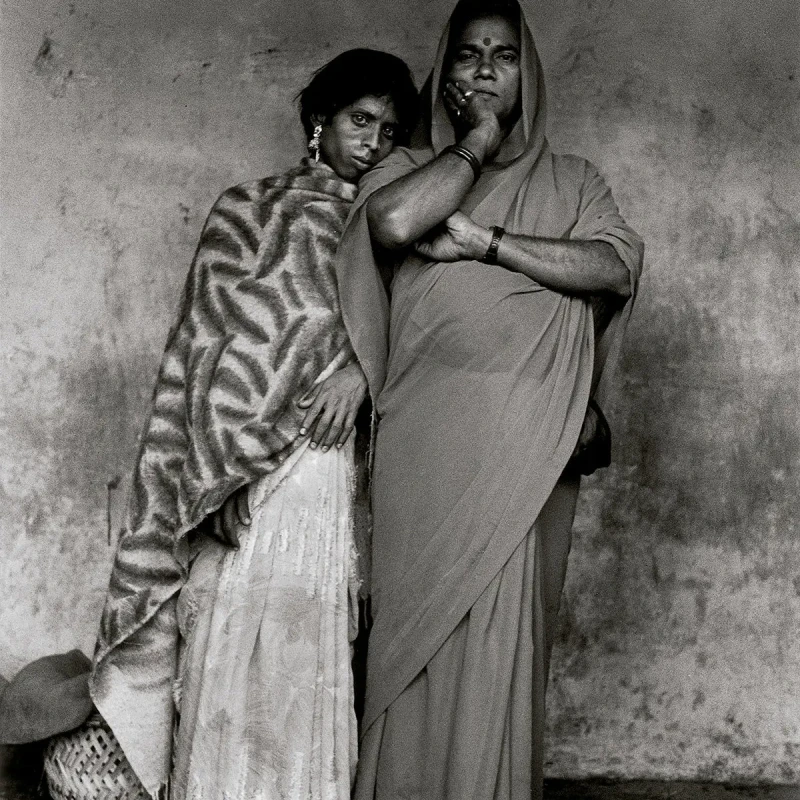
- Graciela Iturbide is still active and remains the Mexican photographer with the greatest international reach; if you don't know her work on the Juchitecs or on India, start there before any other name.
- The contemporary Mexican documentary scene is moving beyond Mexico City: Oaxaca, Sonora and the northern border are producing the most urgent work right now.
- Studying a photographer doesn't mean copying their aesthetic. It means understanding what decision they made in each image and why that decision cost them something.
The question of who the most important contemporary Mexican photographers are is a fair one, but it almost always comes wrapped in an unspoken intention: someone wants to know who to study, who to follow, who to compare their own work against. It's not encyclopaedic curiosity. It's a search for direction.
This is not an exhaustive list, nor does it try to be. It's a selection with reasoning behind it — the names that, in my view, any photographer working in Mexico today should know, if only to decide that someone else interests them more.
Graciela Iturbide: the standard everything else is measured against
Iturbide was born in 1942, which technically places her outside what many people mean by "contemporary". But she is still shooting, still publishing and still the Mexican photographer with the most sustained international recognition — so leaving her out of this conversation would be a methodological mistake, not a bold editorial choice.
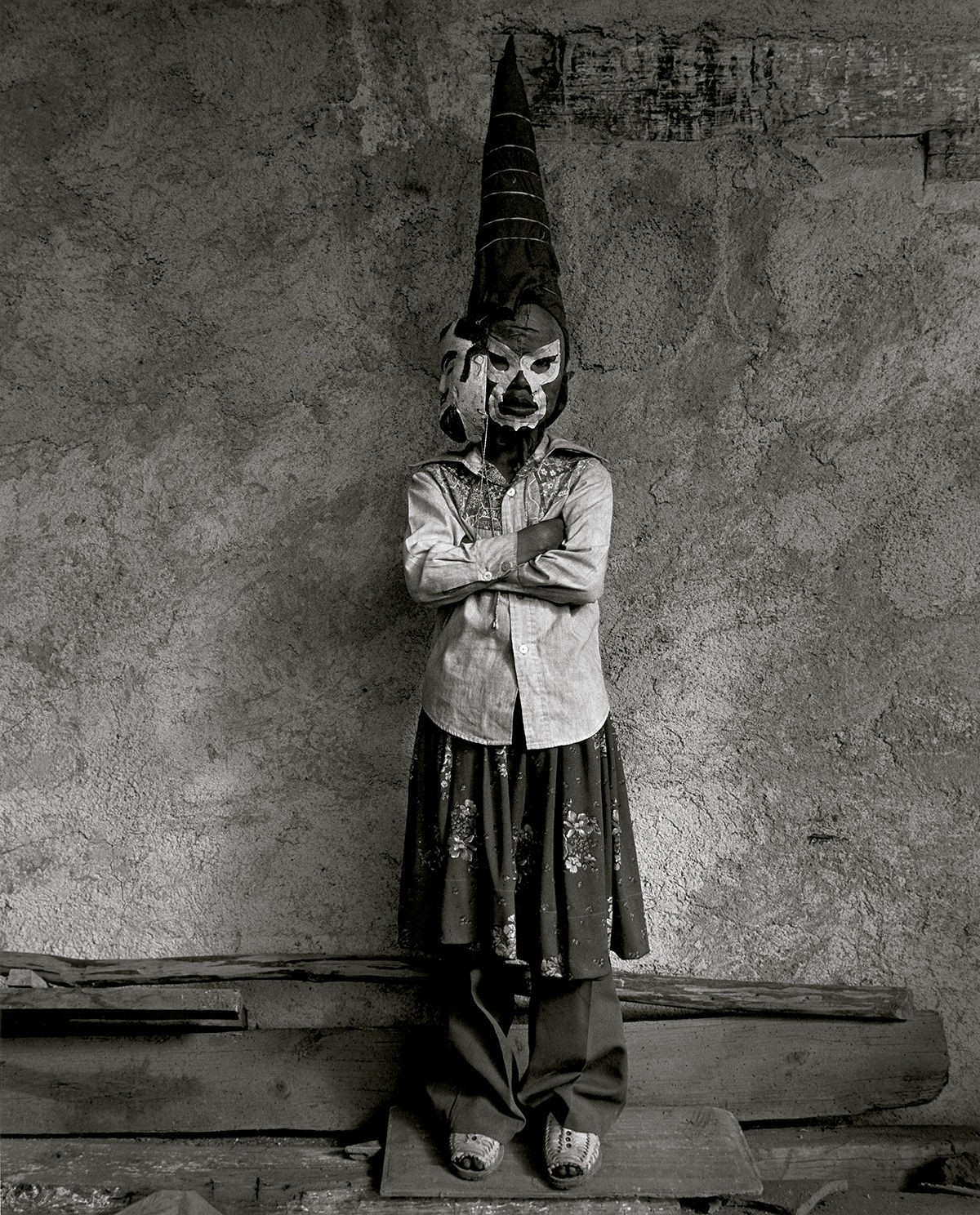
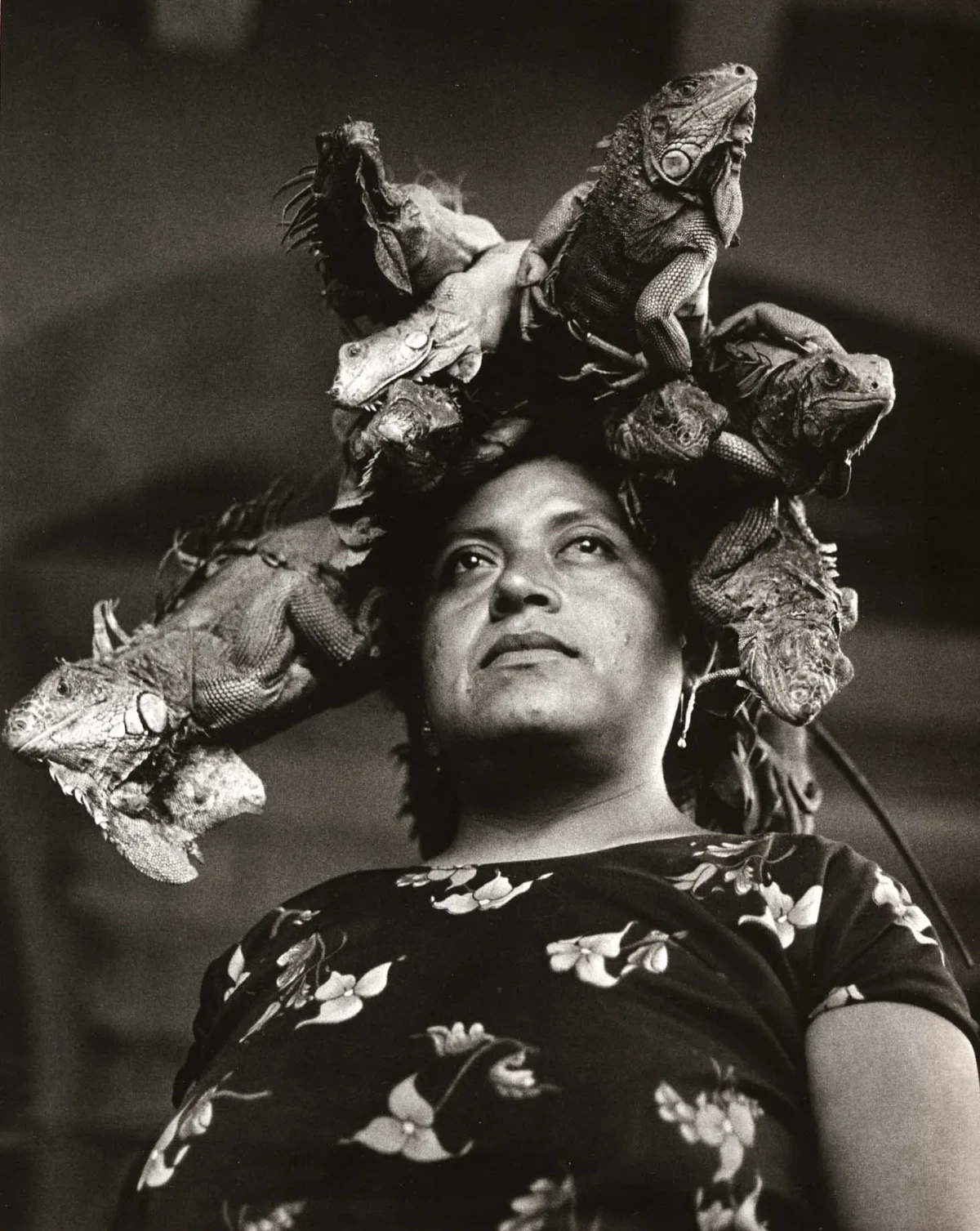
What makes her work irreplaceable as a reference point is not the 2008 Hasselblad Award or the retrospectives at MoMA. It's that she solved a problem Latin American documentary photography had never quite managed: how to photograph indigenous communities without the image functioning as extraction. Her portraits of the Juchitecs in Juchitán de las Mujeres — built over years of genuine presence within the community — are documentary in the most rigorous sense, and at the same time carry a symbolic depth that sets them apart from reportage. The photograph of the woman with iguanas on her head has circulated so widely that it's almost invisible by now. It's worth looking at again, slowly, and asking what technical and human decisions made that frame possible.
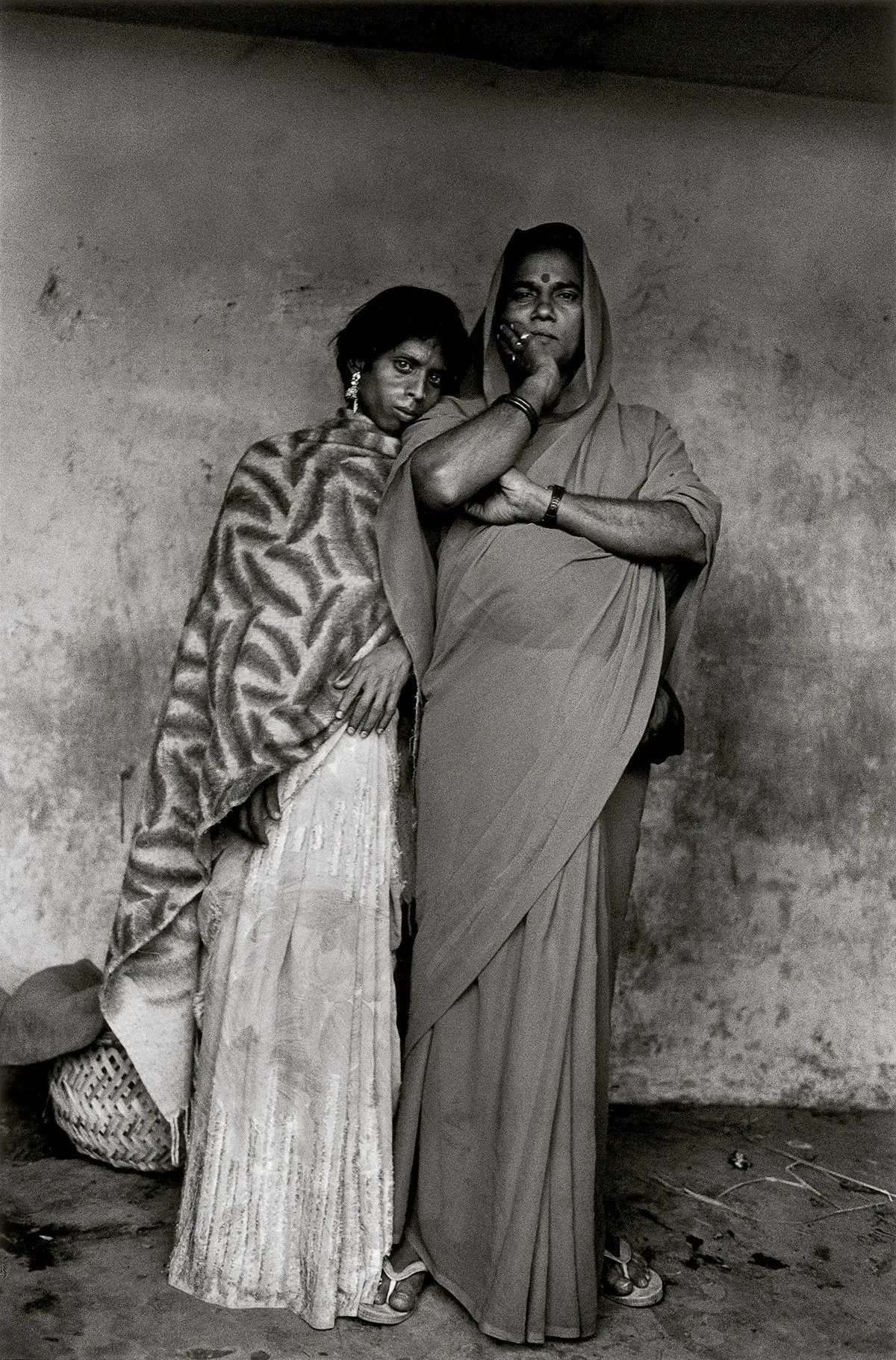
Her work in India appears in Images of the Spirit (Aperture, 1996) and later in the monograph India (Fondation Cartier, 2008), which demonstrates that her method does not depend on a Mexican context, but on a particular way of being present.
Eunice Adorno and the document as intimacy
For me, Eunice Adorno represents one of the most honest bodies of work that Mexican documentary photography has produced in the last fifteen years. Her most widely cited series, Las mujeres flores, explores the daily lives of Mennonite women in Nuevo Ideal, Durango, and took more than four years of sustained work within the community. Not weeks, not a residency of a few months. Years of real access to real people in situations that most photographers could not have sustained — ethically or emotionally.
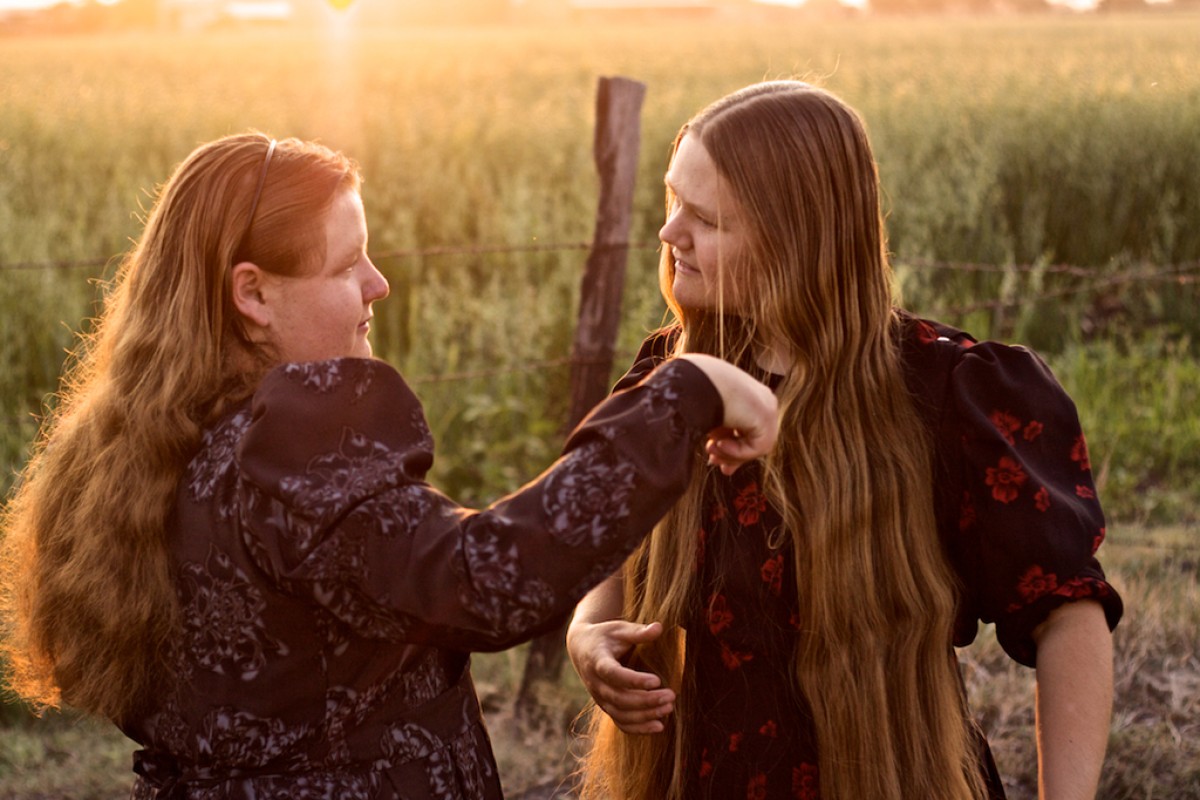
What sets Adorno apart from conventional social documentary is that her images don't illustrate a thesis. You don't enter her photographs already knowing how you're supposed to feel. That's harder to achieve than it sounds: the temptation to guide the viewer's emotions is enormous when the subject matter is this charged, and most photographers give in to it.
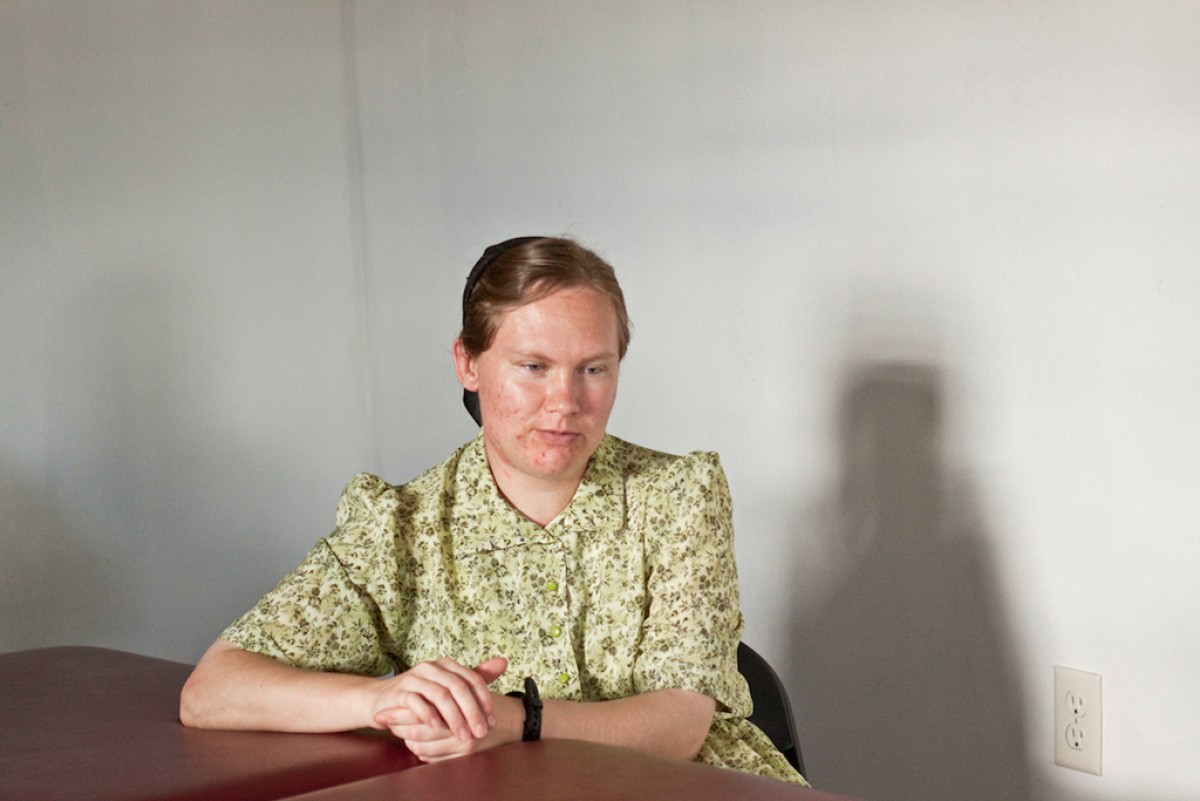
Her work has appeared in The New York Times, LensCulture and a range of international publications. In Mexico she receives less recognition than she deserves — probably because her work unsettles in a way that resists easy aestheticisation.
Alejandro Cartagena and the city as symptom
Cartagena works from Monterrey, and that already tells you something. Not from Mexico City, not on a fellowship in New York, but from an industrial city in the north that generates its own visual logic and its own urban contradictions.
His series Carpoolers, shot from a bridge over the motorway on weekday mornings, captures workers riding in the beds of pickup trucks on their way to work. The images are aerial, almost abstract, and at the same time acutely specific about class, labour and Mexican geography. The series travelled widely and sparked genuine conversation about what photography can do when the vantage point is, quite literally, unconventional.
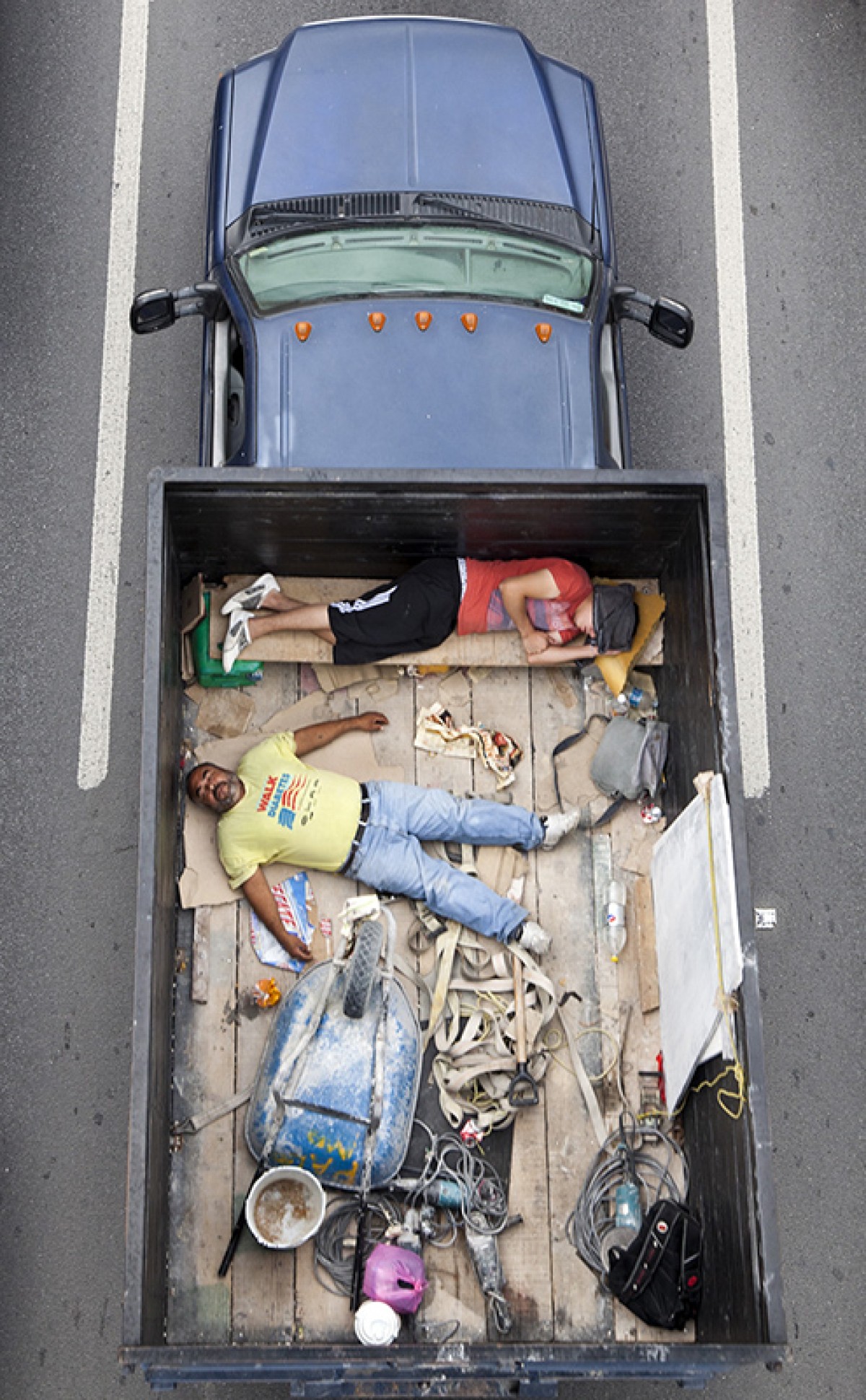
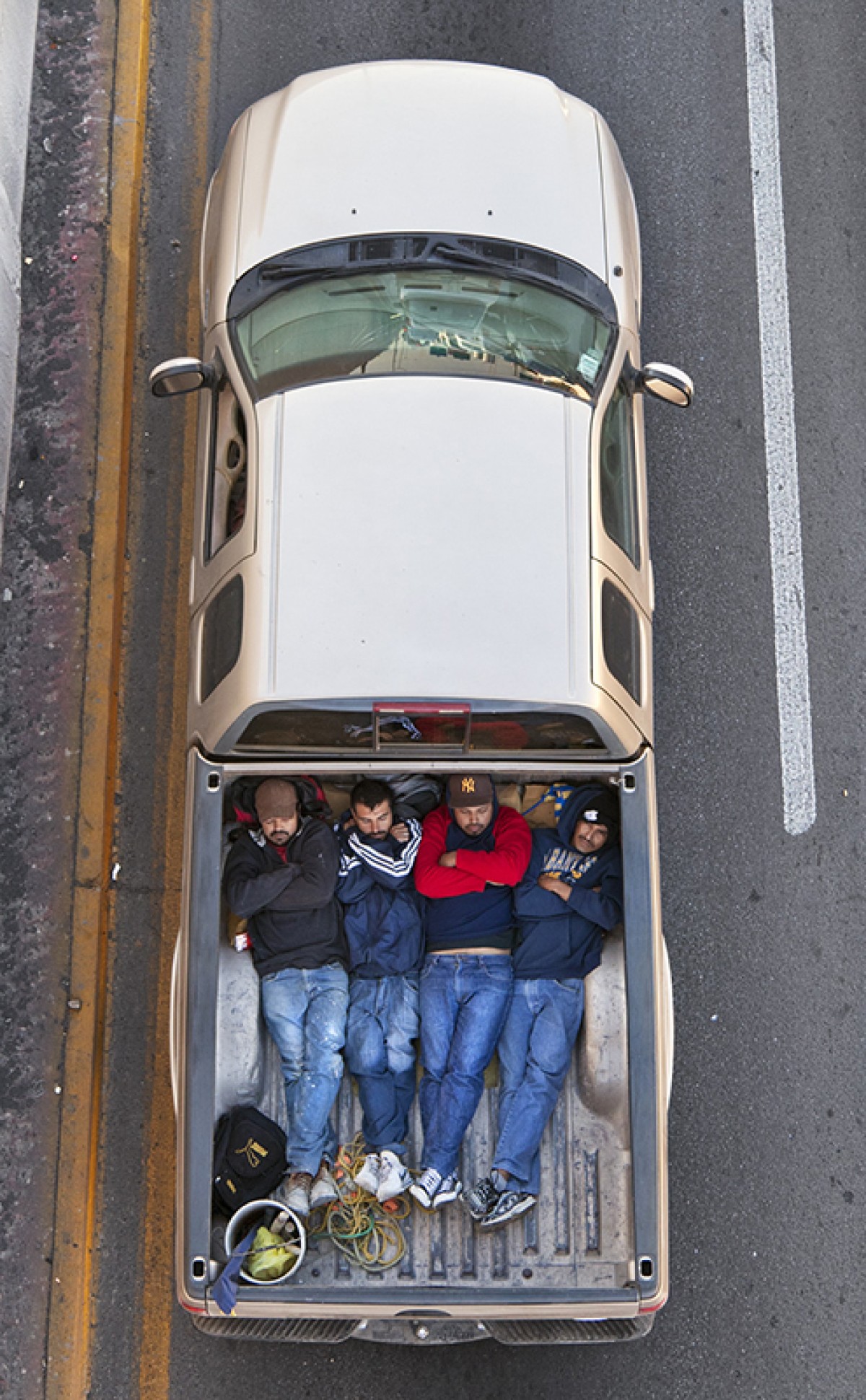
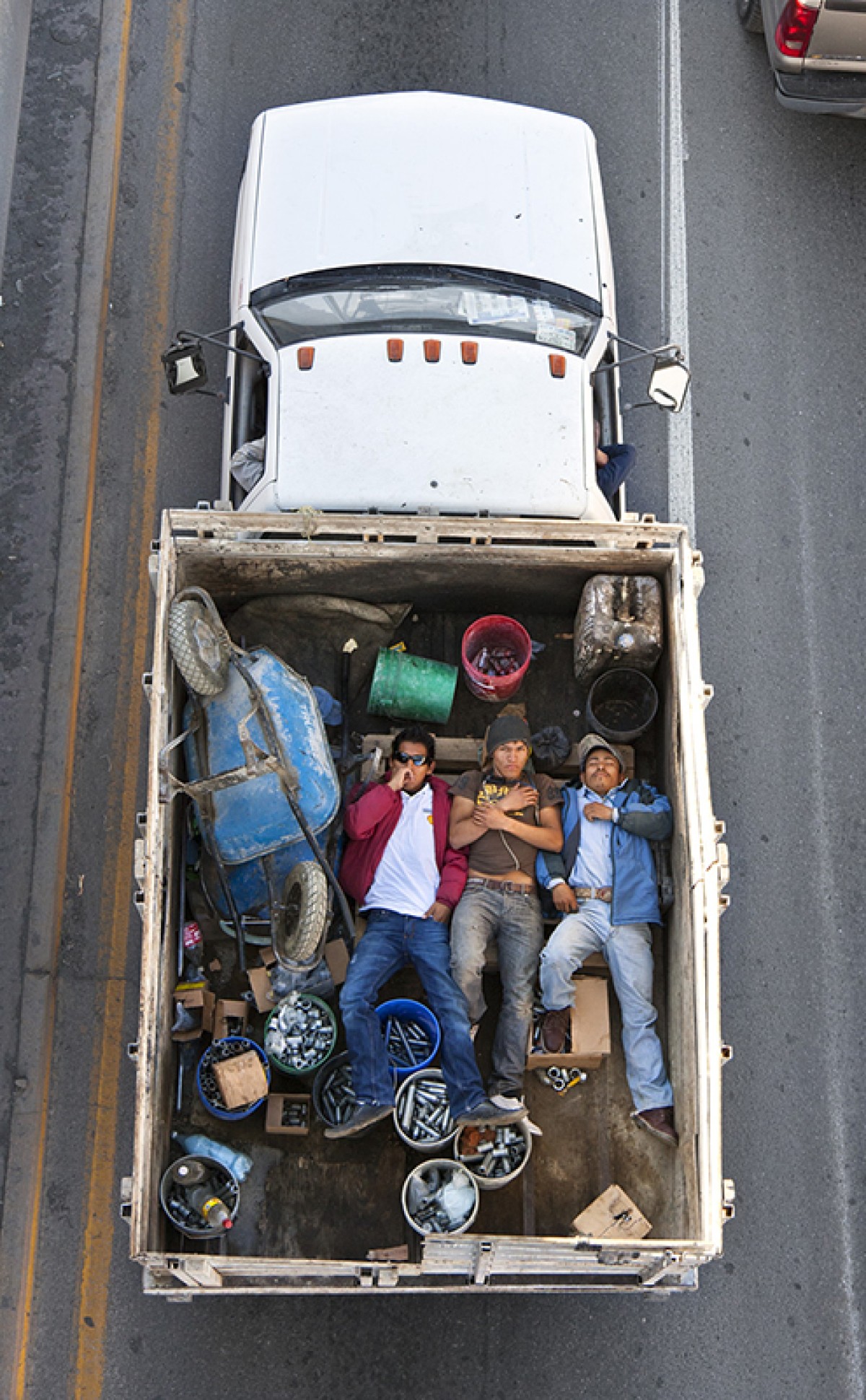
He also has a body of work on suburban developments and peripheral urbanisation — Suburbia Mexicana — which, taken together with Carpoolers, builds a portrait of the contemporary Latin American city that no urbanism text has managed to achieve with such economy of means. Getting to know his work is valuable even if your own photography has nothing to do with the urban, because the problem he solves — how to make an unusual perspective feel like an argument rather than a gimmick — is universal.
Daniela Rossell and discomfort as method
Rossell did something very few photographers do well: she photographed the elite from the inside, without romanticising or caricaturing it. Her series Ricas y Famosas, published as a book in 2002 and still completely relevant as a reference point, portrays women from wealthy Mexican families in their own spaces, with their full cooperation — and the result is unsettling in a way that none of the subjects appears to have anticipated.

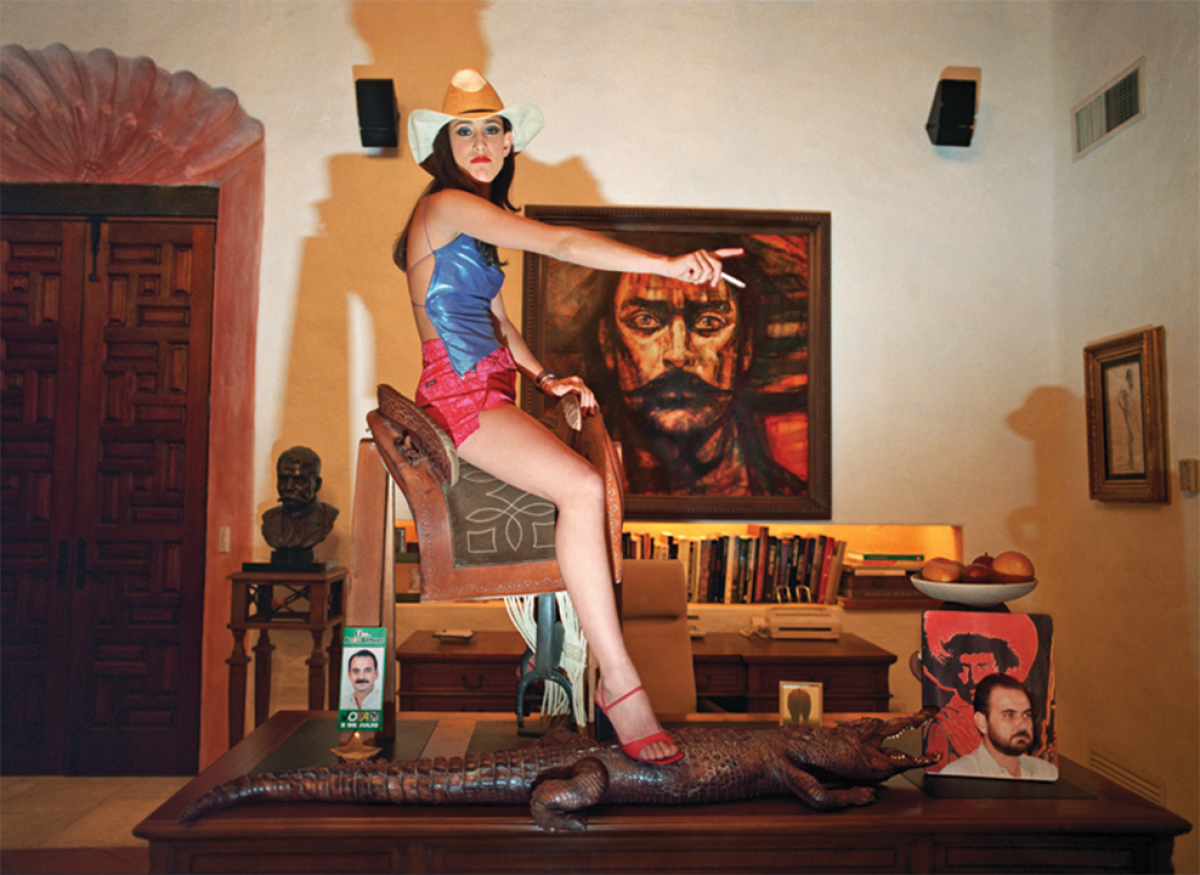
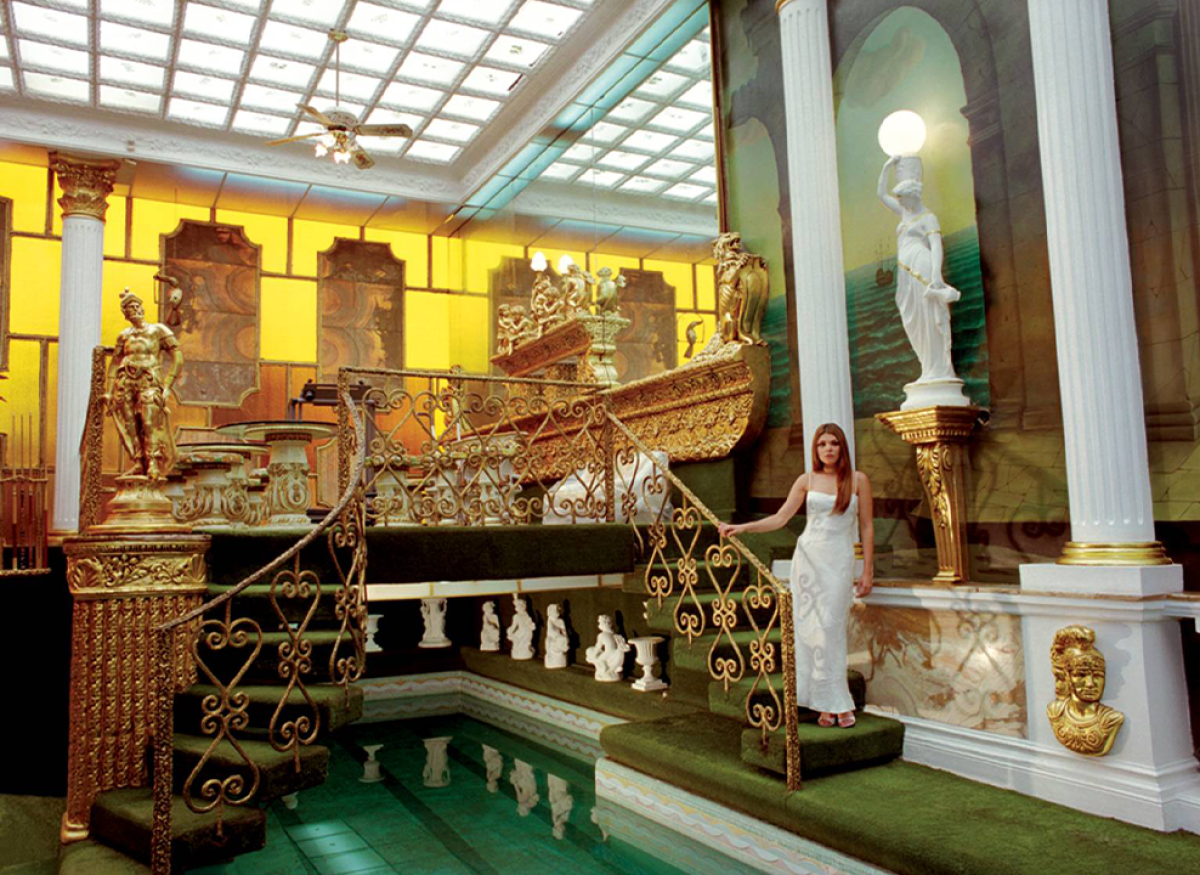
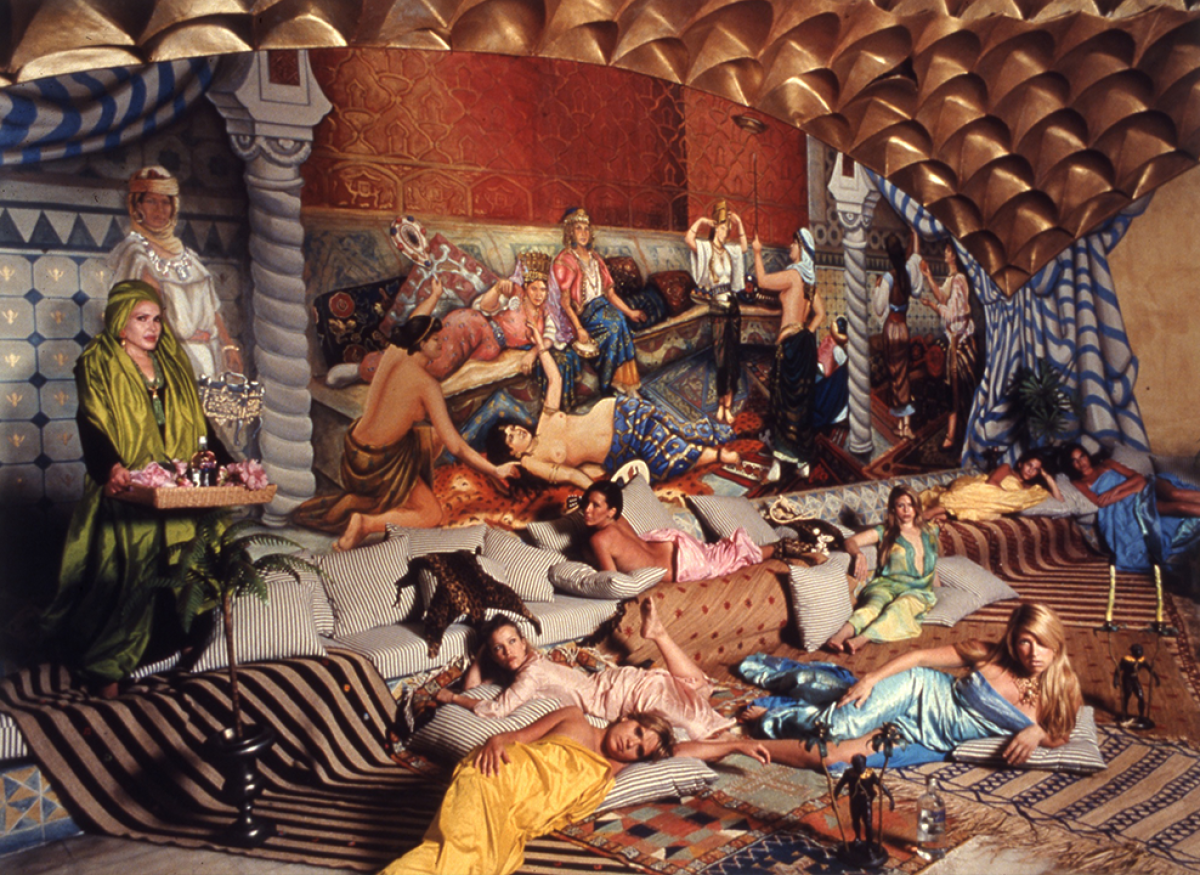
The question this body of work raises still has no easy answer: is it social commentary disguised as portraiture, or portraiture that accidentally became social commentary? The fact that this ambiguity remains unresolved more than twenty years on is precisely what keeps the work relevant. Any photographer working in portraiture, whatever their context, has something to learn from how Rossell negotiated access and complicity.

What they all have in common — and what they don't
They don't work in the same genres. They don't share an aesthetic. What they do share is that each one made a deliberate choice about what they wanted to photograph and committed real time to it — not three-week projects, but years of sustained work within a specific territory, whether geographical or thematic.
That is what separates work that sparks conversation from work that fills portfolios. And it is also, incidentally, what makes studying them useful beyond mere admiration: each one offers a concrete answer to the question of how to sustain a photographic project over time without letting it lose focus.
There are names that could have appeared in this article and didn't. Pablo López Luz, with his aerial work on Mexican urbanisation, is one. Maya Goded, with her documentation of sex workers in Mexico City, is another. I left them out because the article already carries enough weight, not because their work matters any less. The omission is an editorial decision, not a value judgement.
If you're building your own visual language and feel you're missing a map of references, the best exercise I know is to pick one of these photographers, get hold of their physical book if you can, and spend two hours with it without reading the texts. The images first. The decisions speak before the explanations do.
Published in Articles
Subscribe to our newsletters
The latest news, articles and resources sent to your inbox weekly.

Comments
Be the first to comment
Leave a comment