

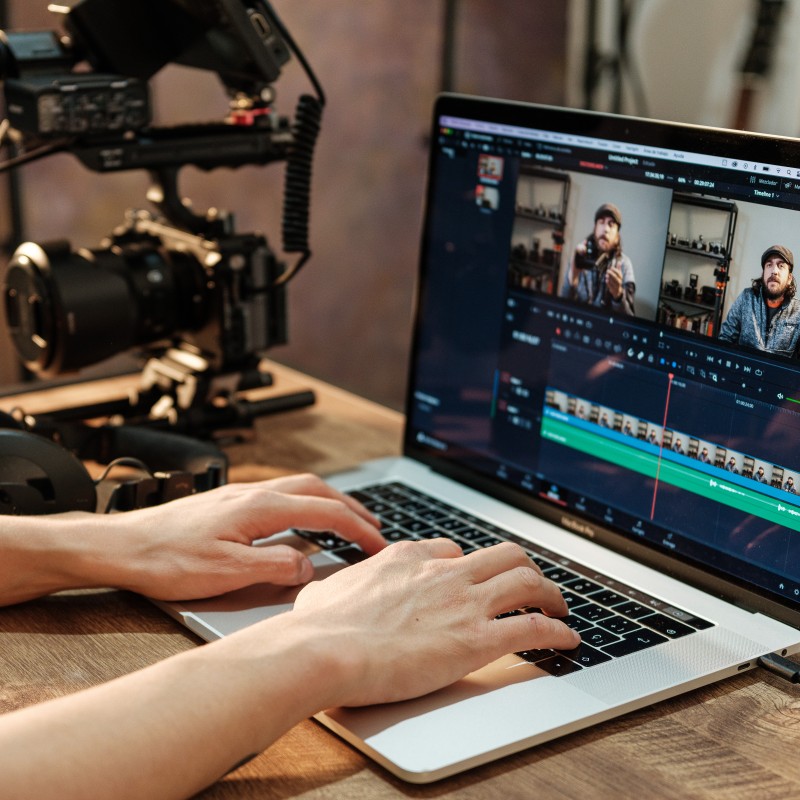
There comes a point in many photographers' careers when a camera alone is no longer enough. Not because they've hit a technical ceiling with photography, but because today's market, clients and platforms demand something more: motion. And with that demand comes an inevitable question — how do you learn video editing properly? Not through a scattered collection of YouTube tutorials, but through structured training that makes sense from the ground up.
This article is aimed at photographers — and other image-based visual creators — who are thinking about making that move into video editing. I'm not going to talk about mobile apps or tools for complete beginners. I'm going to talk about what it actually means to take a video editing course when you already have a strong visual eye, but haven't yet mastered the language of movement.
We recommend: Introductory DaVinci Resolve Workshop — in-person course.
Why a good visual eye isn't enough when you edit video
This is the first mistake almost every photographer makes when they approach video: assuming that because they can compose a frame, read light and understand visual storytelling, video editing will come naturally. And they're partly right — but only partly.
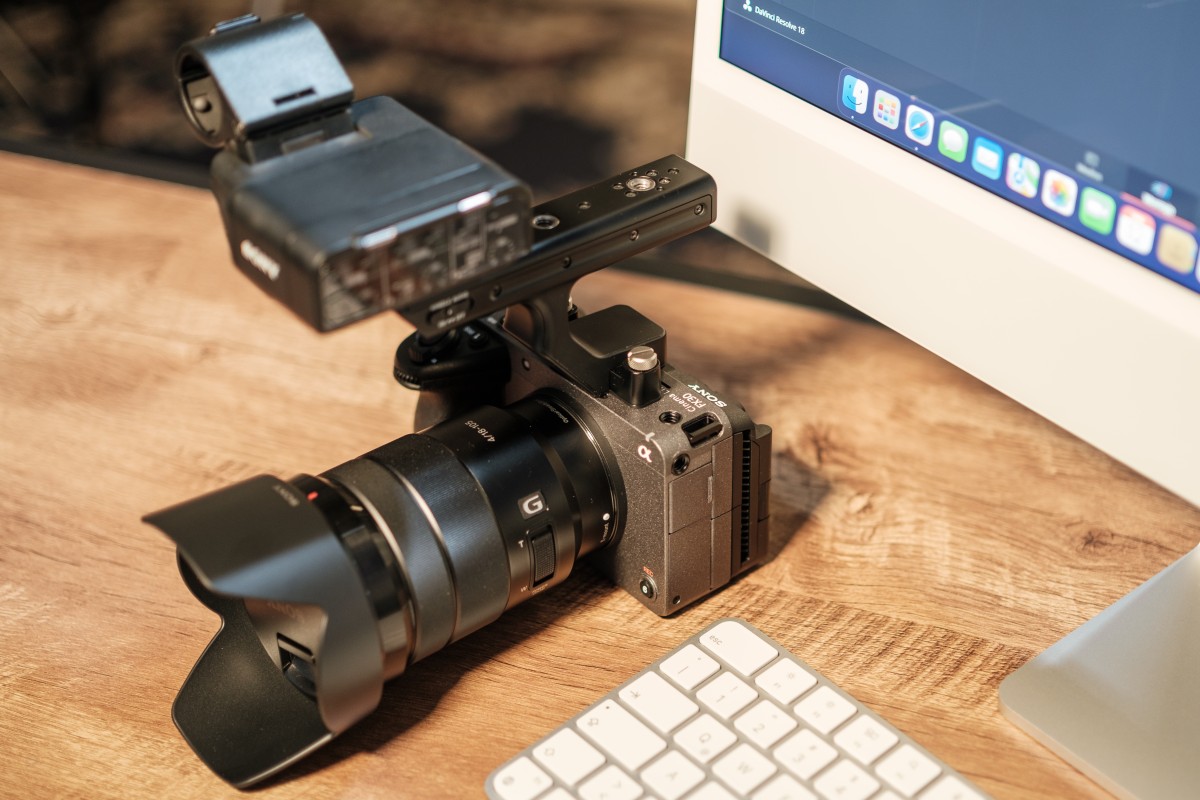
Video introduces a dimension that photography doesn't have: time. And in video, time isn't just duration — it's rhythm, it's the cut, it's the relationship between what the viewer has just seen and what they're about to see. A photographer can recognise that a shot is beautiful, but if they don't know when to cut, if they can't distinguish between cutting on movement and cutting on a static frame, if they don't understand why two shots that work perfectly on their own can undermine each other when edited together, the result will feel visually inconsistent — no matter how much talent was behind the camera.
Editing theory has its own rules. Continuity, match cuts, the line of action, pacing relative to the emotional tone of a scene — these are concepts that don't transfer automatically from photography, and any worthwhile video editing course should address them from first principles, not from the software up.
Software: the tool doesn't define the editor, but your choice matters
One of the most practical decisions you need to make before training in video editing is which platform you're going to work in. And this is a conversation worth having properly.
Adobe Premiere Pro is the industry standard across most professional workflows — especially if you already use Lightroom or Photoshop, since the integration within the Adobe ecosystem is robust. Moving between After Effects and Premiere is seamless, and Lightroom files behave well in that environment.
DaVinci Resolve has changed the game in recent years. What was once purely a professional colour correction tool — used in film and television — is now a fully featured editing suite, free in its standard version. For photographers who come from deep colour work, Resolve's Colour module has a steep learning curve but a level of power that Premiere simply can't match in that specific area.
Final Cut Pro remains the dominant choice in Apple environments, particularly for event and wedding videographers and social content creators. Its performance on Mac hardware is hard to beat, but it's a closed ecosystem and, while beginner-friendly, it can become limiting when you need more complex workflows.
The practical recommendation: if you're taking a video editing course with professional ambitions, choose between Premiere and Resolve based on your current workflow. Trying to learn both in parallel from the start is a reliable way to master neither.
What separates a strong training programme from a mediocre one
When you start looking for video editing training, you'll find an overwhelming number of options: online courses on mass platforms, tutorials packaged as courses, specialist academies, university programmes. The difference between them isn't always about price or length.
A serious video editing programme should cover, at minimum, the following areas in depth and in a logical order:
- Project organisation and management: the workflow before a single cut is made. How to structure folders, how to name files, how to work with proxies when material is in RAW or heavy formats such as BRAW or ARRIRAW.
- Editing theory: not as a twenty-minute introductory module, but as a thread running through the entire programme. The cut has its own grammar, and that grammar is something you learn.
- Colour correction and colour grading: two distinct processes that many courses treat as one. Correction seeks technical neutrality; grading builds an aesthetic. Confusing the two is one of the most common mistakes among editors with limited training.
- Audio: video without considered audio is only half a video. Basic mixing, noise reduction, music synchronisation — these are skills that many photographers overlook entirely when training in editing.
- Export and delivery formats: because a poorly exported file can undo months of work at the moment of client delivery or publication.
If the programme you're evaluating treats any of these areas as secondary, it probably isn't designed for a genuinely professional level.
The mistake of learning to edit without learning to shoot — and vice versa
There's a common trap in video training for photographers: specialising too early in just one side of the production chain. Some photographers go deep on shooting — they master video exposure, understand logarithmic colour profiles, know how to handle camera movement — but then can't edit what they've filmed because they've never worked at the edit suite. Others take the opposite path: they take a video editing course, learn the software, become efficient cutting other people's material, but when it comes to producing their own content, they shoot with no editing logic in mind.
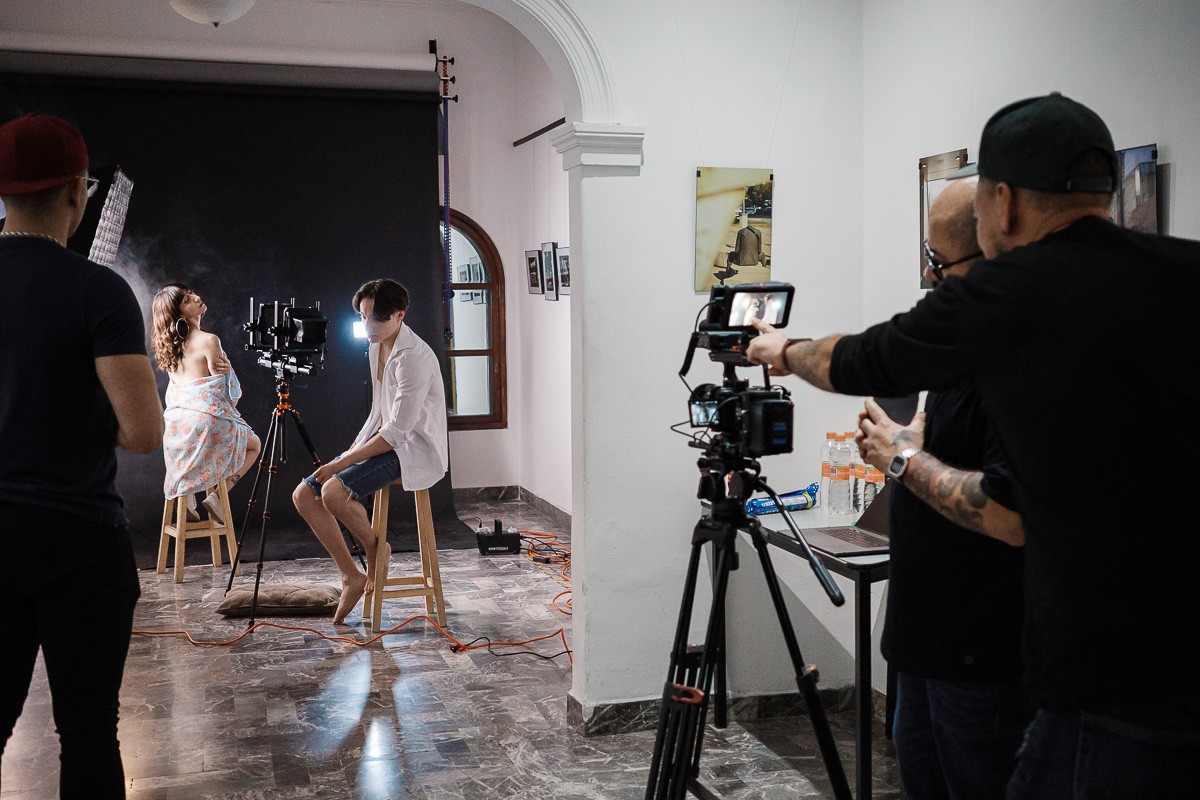
The result in both cases is the same: pieces that don't quite work. Because editing video well starts the moment you press record. Coverage — how many shots you capture, from which angles and for how long — determines what you will and won't be able to do in the edit. An editor who has never shot doesn't understand the constraints of coverage. A camera operator who never edits doesn't shoot with the cut in mind.
The most solid training you can find is the kind that connects both worlds, even if you end up specialising in one. A video editing course that includes even a solid introduction to cinematic language from the camera side will give you a meaningful advantage over someone who has only ever learned to operate the software.
How long it really takes to edit with confidence
This is a question almost no one answers honestly. The short answer is: longer than most courses promise on their sales page.
Learning the interface of an editing application can take weeks. Learning to edit well — with judgement, with rhythm, with the ability to make narrative decisions under pressure while a client is waiting — can take years. That doesn't mean you can't work professionally before reaching that point, but it does mean being honest about where you are and what kinds of projects you're ready to take on.
A photographer with a strong visual foundation who trains seriously can be producing video for real clients within six to twelve months. Not festival-circuit films, but professional video for brands, events, product photography with motion, reels with a consistent visual identity. That's a realistic threshold — if the training is good and the practice is consistent.
The single biggest factor in accelerating that process isn't the software or the number of classroom hours — it's practising on your own material with feedback from someone who knows more than you do. Editing other people's footage is useful. Editing your own material, receiving specific critique on your cutting decisions and going back to try again — that's what builds genuine editorial judgement.
If you've reached the point where photography alone no longer covers everything the market asks of you, or you want to expand your visual language into motion, training in video editing is one of the most worthwhile investments you can make right now. Look for programmes that treat video as a complete language in its own right — not as an extension of photography — and that have been designed by professionals with real production experience. The difference between that kind of training and a well-organised set of tutorials will show in the very first project you deliver to a demanding client.
Published in Articles
Subscribe to our newsletters
The latest news, articles and resources sent to your inbox weekly.


Comments
Be the first to comment
Leave a comment