


Buying a camera today means navigating a remarkably complex technological landscape. Gone are the days when the decision came down to a simple choice between brands; now we face divergent optical architectures (DSLR vs. mirrorless), millimetre-level sensor variations that fundamentally change how light behaves, and video specifications that rival professional cinema cameras. For the uninitiated, the sheer volume of technical specs can feel overwhelming.
In this article, we'll break down — with technical rigour and academic precision — the core criteria that should guide your choice of photographic system, ensuring your investment fits both your workflow and your creative development.
1. Needs Analysis and Operational Workflow.
Before you even glance at a spec sheet, you need to define what you actually need the tool to do. The perfect camera for an advertising studio can be a liability in documentary or street photography. Your decision should be rooted in your photographic niche and the demands of your workflow — post-production, storage and final deliverables included.
Examine your process against the following technical parameters:
-
Photographic discipline: Does your speciality call for high-speed burst shooting and predictive autofocus tracking (sports, wildlife), or do you prioritise extreme resolution and dynamic range (landscape, architecture, product)?
-
Final file destination: Will your deliverables be compressed web images, large-format Fine Art prints, or billboard advertisements?
-
Lighting conditions: Will you be working in controlled environments (studio), or do you rely on available light — requiring outstanding ISO performance and a low signal-to-noise ratio?
-
Hybrid use (Video): Will the camera be used purely for stills, or do you need a hybrid system capable of handling professional video codecs (10-bit, Log profiles, RAW video)?
2. System Architecture: DSLR vs. Mirrorless (MILC)
The long-running debate between DSLR and mirrorless systems has effectively been settled — the industry has firmly shifted towards mirrorless technology. Even so, understanding the mechanical differences between the two is key to making sense of today's market.
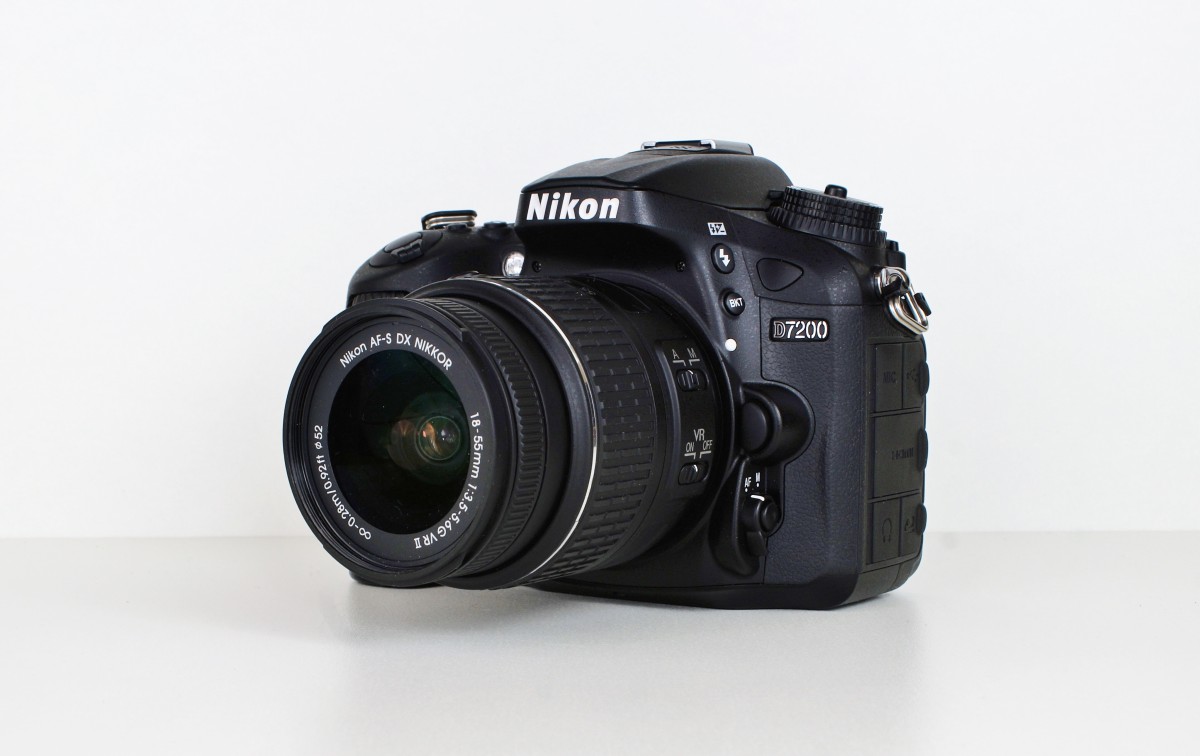
DSLR Systems (Digital Single-Lens Reflex)
-
Optical mechanics: DSLRs use a movable mirror and a pentaprism (or pentamirror) to redirect light from the lens directly to an optical viewfinder (OVF), delivering an analogue, real-time view at the speed of light.
-
Operational advantages: Superior battery life (since they don't rely on a constantly active screen) and proven durability in demanding conditions. The second-hand market also offers an extensive catalogue of high-quality lenses at accessible prices.
-
Disadvantages: The mirror box adds bulk and weight. DSLRs are also louder — that characteristic mechanical "clack" — and they lack the benefits of hybrid autofocus in the viewfinder. Perhaps most significantly, the industry has largely ceased research and development (R&D) on this system.
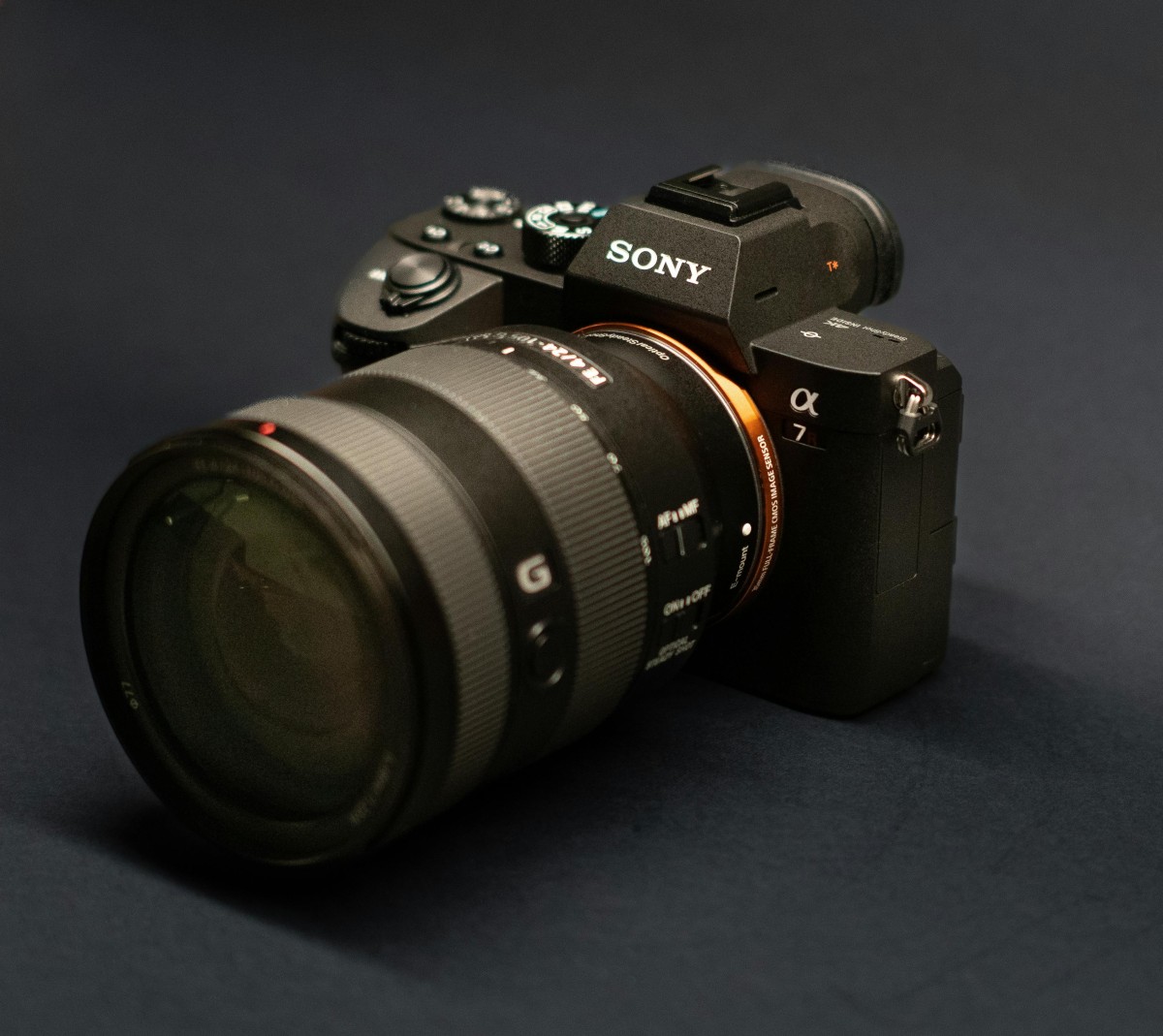
Mirrorless Systems (MILC - Mirrorless Interchangeable-Lens Camera)
-
Optical mechanics: These cameras do away with the mirror entirely. Light falls continuously onto the sensor, which sends the signal in real time to an electronic viewfinder (EVF) or the rear screen.
-
Flange focal distance: Without a mirror, the distance between the lens mount and the sensor is dramatically shorter. This makes it possible to design lenses with sharper edge-to-edge performance and makes it easier to use legacy glass via adapters.
-
Operational advantages: Real-time exposure feedback (you see exactly how the shot will look before you press the shutter), AI-powered phase-detection autofocus (AF) on the sensor with eye and face recognition, completely silent shooting, and vastly superior video capabilities.
3. The Sensor: Photometry, Size and Dynamic Range
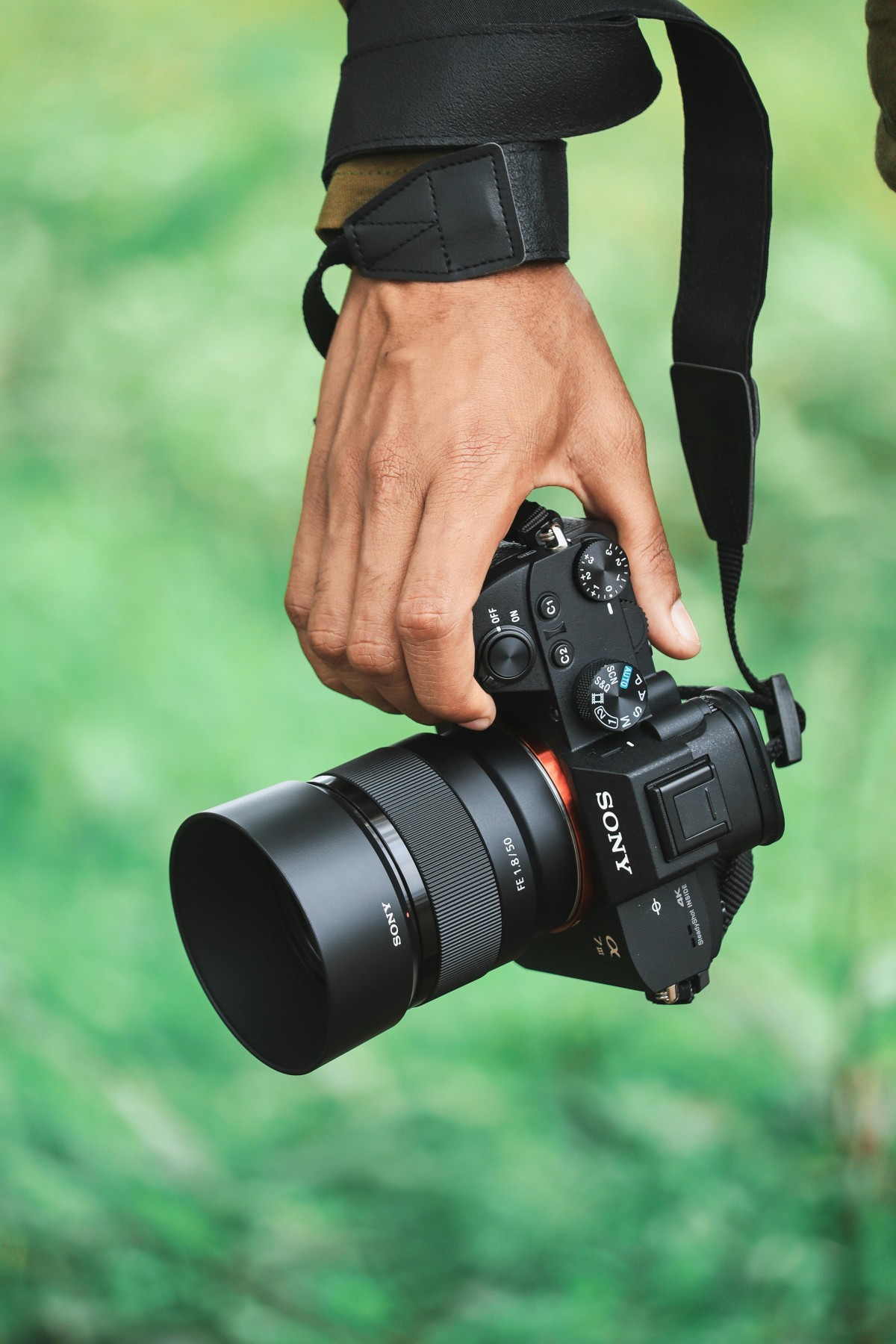
The sensor is the camera's core data-capture component. Physically, it consists of millions of photodiodes that collect photons and convert them into electrical signals. The sensor's surface area determines certain immutable optical properties of the image: depth of field, low-light performance and crop factor.
-
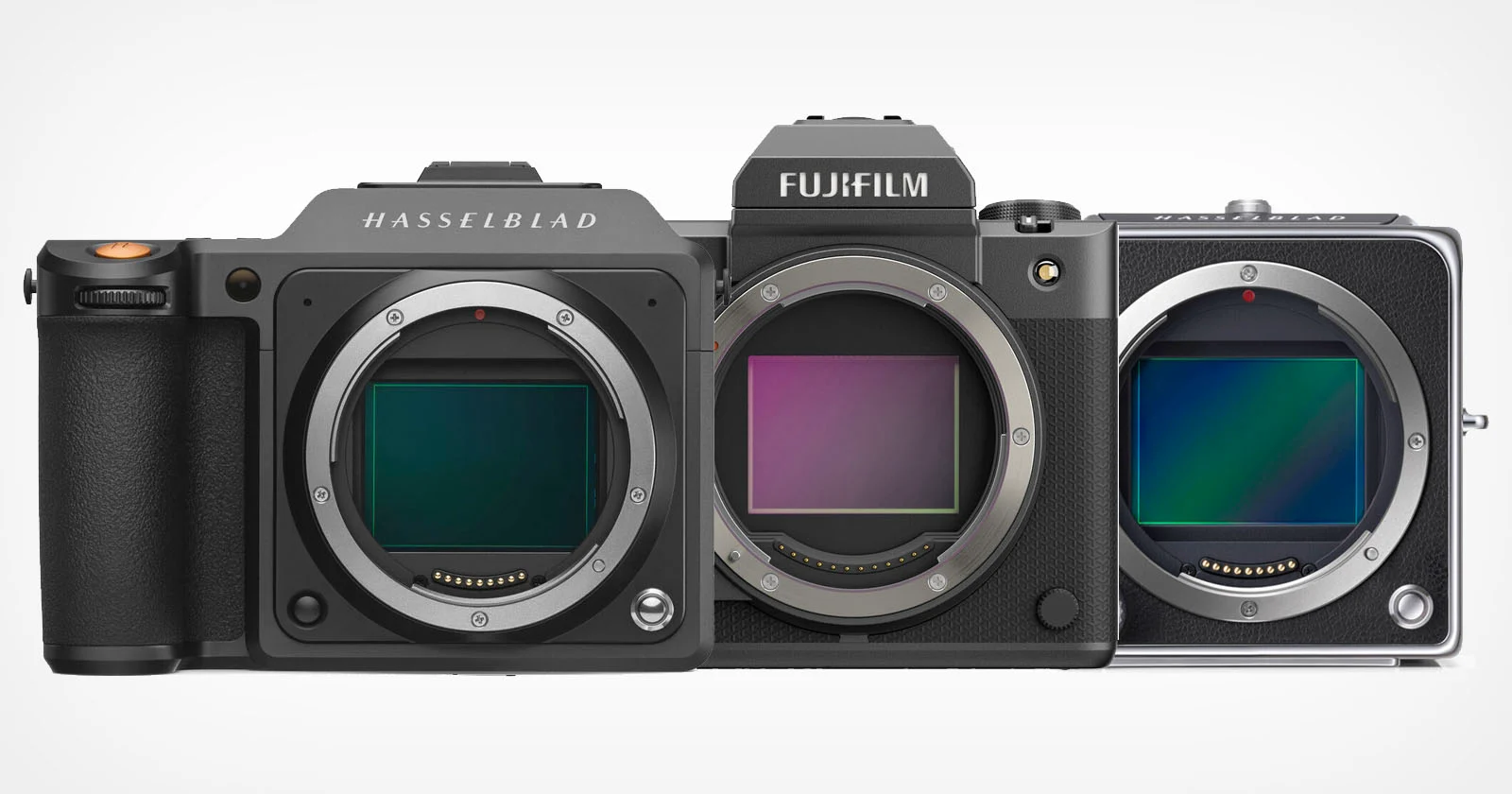
Digital Medium Format (approx. 44 x 33 mm): The pinnacle of commercial image quality. Its large pixels capture an extraordinary amount of light and detail, delivering unrivalled tonal gradation (colour depth) and an expansive dynamic range. The go-to choice for haute couture fashion, Fine Art and commercial advertising — though it comes with a heavy, slower-handling ecosystem and a very significant investment.
-
Full Frame (36 x 24 mm): The professional standard inherited from 35mm film. It strikes an outstanding balance between image quality, depth-of-field control (pronounced background blur, or bokeh) and excellent ISO performance in low-light conditions. It is the definitive working tool of the contemporary professional photographer.
-
APS-C (approx. 23.6 x 15.6 mm): These sensors introduce a crop factor (typically 1.5x or 1.6x), meaning a 50mm lens will deliver a field of view equivalent to a 75mm on Full Frame. The systems are considerably lighter, more compact and offer exceptional value for money. This makes APS-C the ideal entry point for serious and semi-professional photography — and it is even the preferred choice of wildlife and sports photographers who welcome the extra reach that the crop provides.
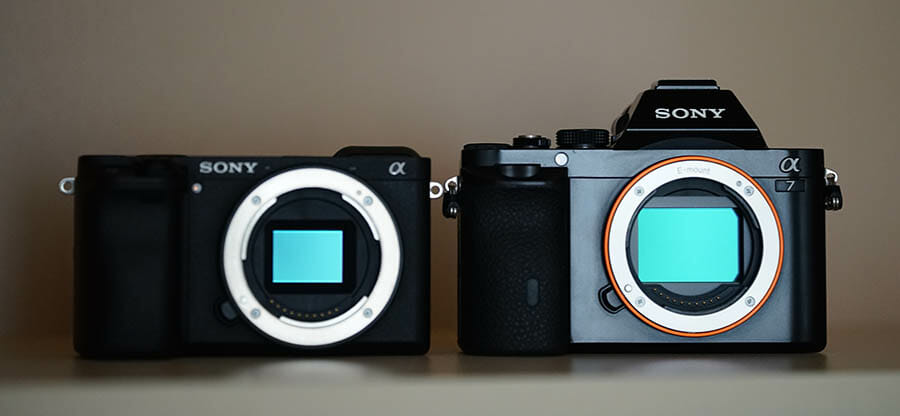
Other sizes exist (such as Micro Four Thirds), but Full Frame and APS-C dominate the market. For most users, an APS-C sensor offers outstanding value for money.
4. Sensor Resolution: the truth about megapixels and Pixel Pitch
Marketing has long pushed the myth that more megapixels (MP) means a better camera. Physically speaking, if you increase the megapixel count without increasing the sensor size (say, 40 MP on an APS-C sensor), you are actually shrinking each individual photodiode — a measurement known as pixel pitch.
-
Small photodiodes (high resolution): Each photodiode captures less light individually, which can lead to more digital noise at high ISOs and a reduced dynamic range. That said, they deliver extreme detail resolution — ideal for heavy cropping in post-production or large-format architectural prints (40 MP – 60 MP+).
-
Large photodiodes (moderate resolution): Excellent light-gathering ability, lower digital noise and greater flexibility in RAW files. For the vast majority of professional, editorial and digital applications, a range of 20 to 24 megapixels sits in the technological "sweet spot".
5. Optical Architecture: Lenses and the "Glass Rule"
There is a well-known saying in the technical community: cameras depreciate, glass is forever. Investing in optics has a far greater impact on image quality — sharpness, microcontrast, chromatic aberrations — than the camera body itself.
-
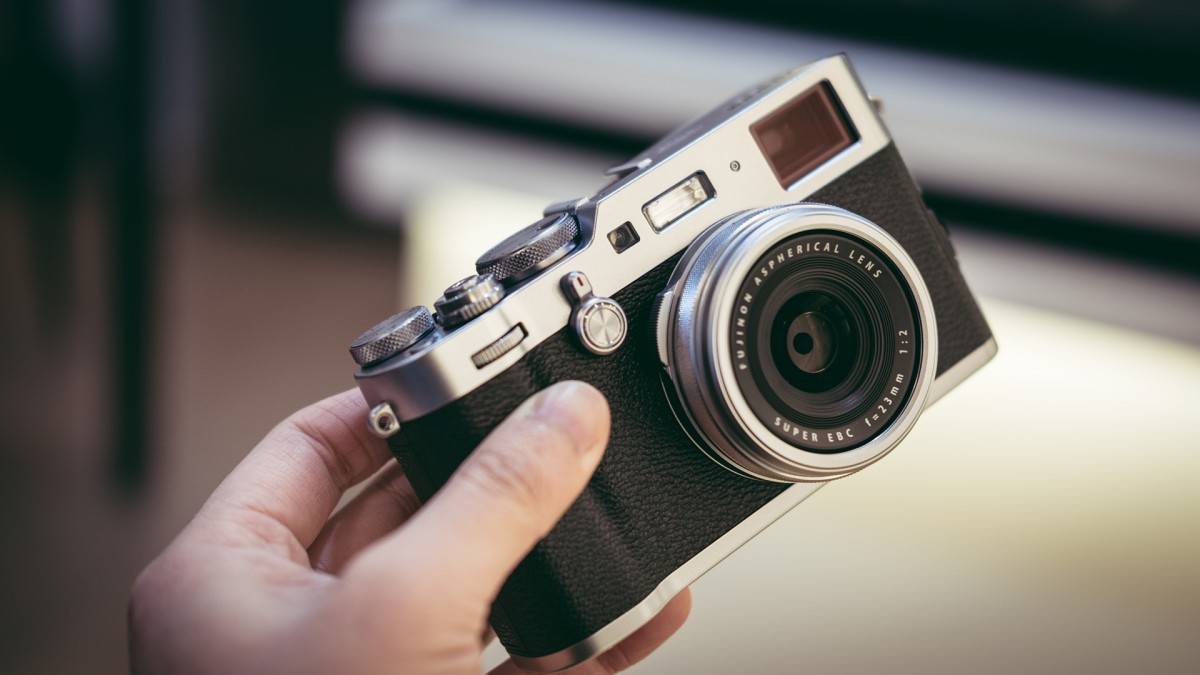
Fixed Lens Systems: Found on high-end compact cameras (premium point-and-shoot). These have a non-interchangeable focal length (typically a 28mm or 35mm equivalent). They encourage disciplined framing and offer maximum portability — perfect for documentary and street photography.
-
Interchangeable Lens Systems: Offer complete versatility. From ultra-wide lenses for astrophotography to telephoto lenses for wildlife, along with macro lenses and portrait optics with wide apertures (f/1.2 or f/1.4). A camera body is only as versatile as the lenses you can mount on it.
6. Brand Ecosystems and Lens Mounts
Choosing a brand is, in effect, committing to a lens mount and a software ecosystem (colour science).
-
Sony (E Mount): Pioneers in Full Frame mirrorless development. They boast the widest native and third-party lens ecosystem on the market (Sigma, Tamron). Standout features include relentless predictive autofocus and high dynamic range sensors.
-
Canon (RF Mount): Renowned for exceptional colour science — particularly in skin tone reproduction — and unmatched ergonomics. Their high-end RF lens ecosystem is optically superb, though it comes at a premium price.
-
Nikon (Z Mount): Nikon's Z mount boasts the widest diameter of any full-frame system, giving its engineers the freedom to design lenses with unprecedented corner-to-corner sharpness. Its ergonomics and build quality are a direct inheritance from the brand's legendary DSLR heritage.
-
Fujifilm (X Mount and G Mount): Fujifilm has deliberately stepped back from full-frame to lead the APS-C and Medium Format markets. The brand is celebrated for its analogue-inspired user experience — physical dials, tactile controls and built-in film simulations that deliver JPEGs with a cinematic character straight out of the camera.
7. Key Technical Specifications to Evaluate
Beyond resolution and sensor size, real-world usability comes down to the following technologies:
-
IBIS (In-Body Image Stabilisation): Five-axis mechanical sensor stabilisation that lets you shoot at critical shutter speeds without camera shake. It's essential for handheld video recording.
-
Video Codecs and Dynamic Range: If video is a priority, look for internal 10-bit colour depth recording in 4:2:2 format, as well as support for logarithmic profiles (S-Log, C-Log, F-Log) for professional colour grading.
-
Dual Card Slots: For high-stakes work — weddings, photojournalism — the ability to write real-time redundant backups across two cards simultaneously (SD UHS-II or CFexpress) is a non-negotiable requirement.
8. Investment and Total Cost of Ownership (TCO)
The purchase price is rarely the final cost. You need to think in terms of Total Cost of Ownership (TCO):
-
Entry level (Body + basic kit lens): $600 – $1,200 USD.
-
Enthusiast / Semi-professional (Body + prime lenses or constant f/2.8 zooms): $1,500 – $3,000 USD.
-
Professional (Robust bodies + the Holy Trinity of f/2.8 lenses + accessories): $4,000 – $10,000+ USD.
Investment note: Always set aside at least 40–50% of your initial budget for glass. Pairing a $2,000 camera with a $100 lens creates an optical bottleneck that will undermine everything your sensor is capable of.
Conclusion
The idea of a single "ultimate camera" is a myth. True excellence comes from the right match between a photographer's specific demands and what their equipment can actually deliver.
This guide gives you the theoretical framework to make an informed decision. At the end of the day, technology is a means, not an end. An understanding of light, composition and visual storytelling will always be the true pillars of any meaningful image. Choose the kit that lets you translate your vision with the least technical friction — then focus on what really matters: continuous learning and the act of creating.
Published in Articles, Cameras
Subscribe to our newsletters
The latest news, articles and resources sent to your inbox weekly.



Comments
Be the first to comment
Leave a comment