
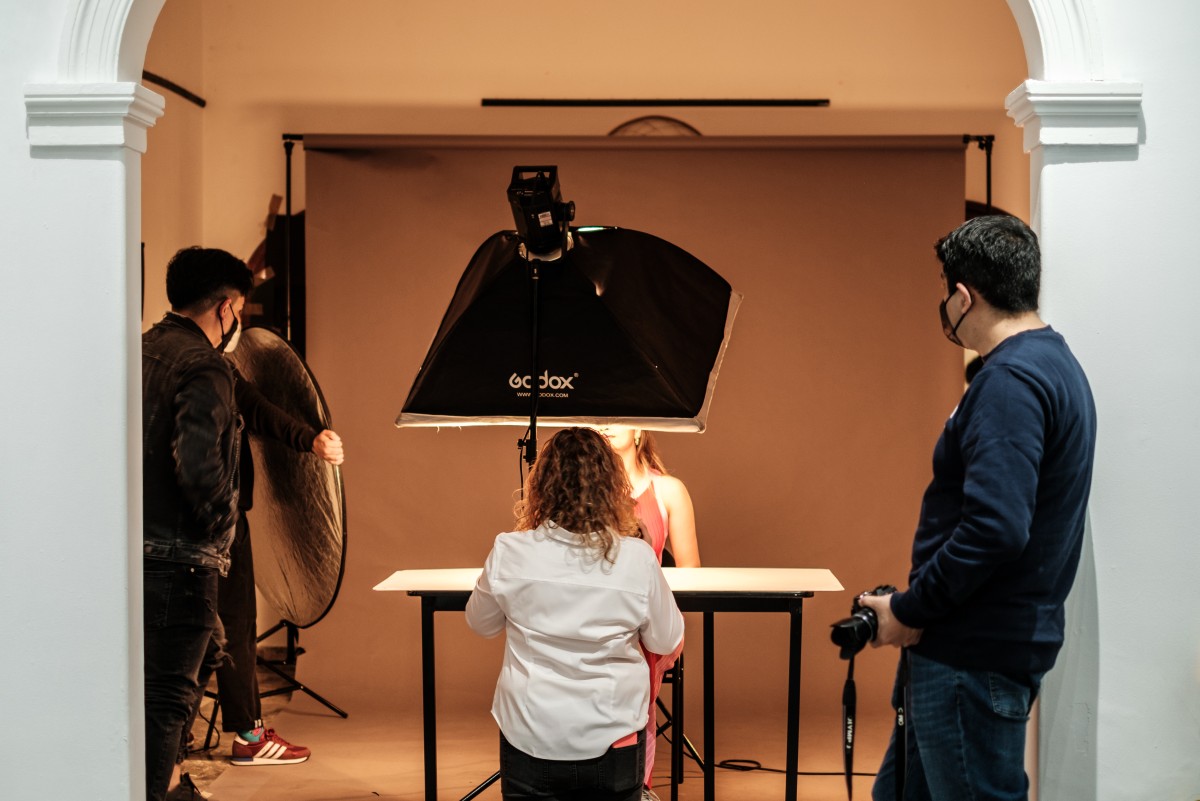
Lighting for Photography Workshop
Learn to sculpt with light and master professional lighting setups to create unique atmospheres — both in the studio and on location.
After mastering the basics of photography, this lighting course is the perfect next step in your photographic journey. You'll learn lighting techniques for portraiture, nude and product photography.
What will i learn
At the end of this program, you will be able to:
- You'll discover the different physical properties of light
- You'll master camera handling techniques when working with flash
- You'll explore a range of lighting setups for portraiture, nude and product photography
- You'll learn how to expose correctly with flash
- You'll discover how to combine natural light and flash
Description
This lighting course is designed for anyone who wants to take their photography to the next level. In the workshop you'll learn how to create lighting atmospheres using concepts such as light quality, contrast ratio, light position and more. You'll also develop the skills to light portraits, nudes and products. A basic understanding of photographic technique is required before joining this course.
Includes
- 3 online resourcesOnline resources are educational materials in video, text or image that you can consult at any time.
- Godox SK400II and Bowens GM400RX studio lighting equipment
- Bowens-mount light modifiers (softbox, umbrella, beauty dish, reflectors, etc.)
- Gossen and/or Sekonic portable light meter
- Backdrops, tripods and other accessories.
- Certificate of completion
Structure and duration
Duration: 6 weeks
One session per week, 4 hours each
Costs of this program
- Admission fee
- $219.02 USD
- Monthly tuition
- Not applicable for this program
- Re-enrollment fee
- Not applicable for this program
Topics in this program
6 topicsTopic 1. Fundamentals of Lighting
- The importance of mastering photographic lighting.
- Lighting as a compositional and creative element, and as a tool for building atmospheres. General properties of light: reflection, diffraction and dispersion.
- Light quality: understanding the differences between light qualities and how to apply them depending on the scene.
- Exposing with flash: incident and reflected exposure. Using a handheld light meter. Metering modes. Sync speed.
- The inverse square law: the relationship between light and distance.
- Flash power and Guide Number.
- Determining the Guide Number in practice.
- Lighting equipment: how studio flash differs from continuous and natural light. Light modifiers and modifier groups: softboxes, umbrellas and parabolics. Other modifier accessories.
- Comparative exercises exploring different light modifiers and their results in portraiture.
- Fundamentals of Photographic Lighting
- Exposing with Flash: Mastering Artificial Light in the Studio
- Lighting Equipment and Light Modifiers
Topic 2. Lighting Setups
- Direction of light. Through photography exercises and Millerson's clock method, students will explore the characteristics of each lighting direction, its effects and potential uses.
- Contrast ratio. Analysis of lighting setups using one to three light sources, and their application in commercial portraiture, artistic portraiture and product photography.
- Conventional portrait lighting patterns: Rembrandt, Caravaggio, Vermeer, Paramount and others.
- Individual portrait exercises applying the various lighting setups covered in class.
Topic 3. Portrait practice
- Characteristics of portraiture as a photographic genre. Creative and technical considerations to keep in mind.
- Review of the work of well-known portrait photographers, with analysis of the lighting used in each case.
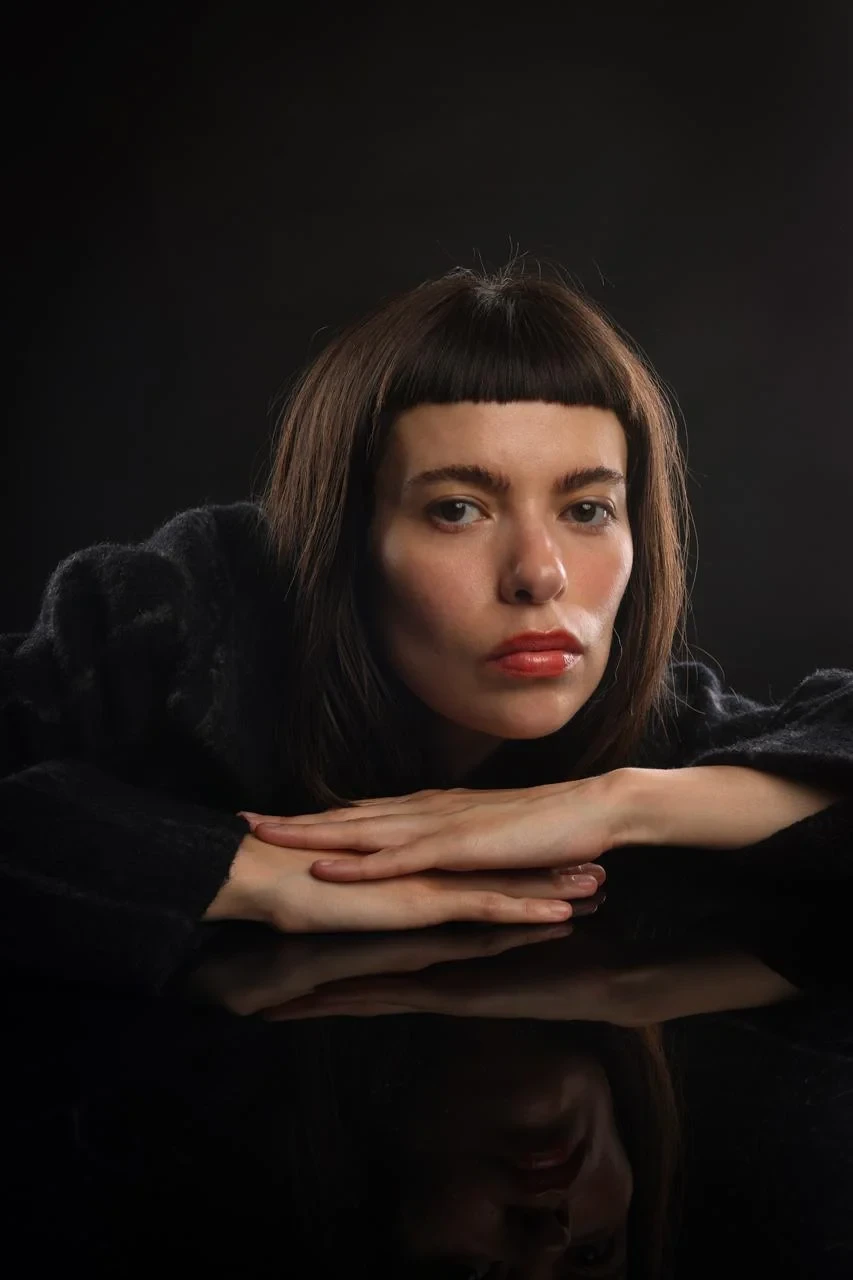
- Portrait practice. Students will produce a commercial portfolio applying the lighting setups studied in class, meeting the standards required by the industry.
Topic 4. Nude photography practice
- The nude in painting and photography. Creative and technical considerations to keep in mind. Lighting techniques for nude photography.
- Review of nude works by recognised artists and photographers.
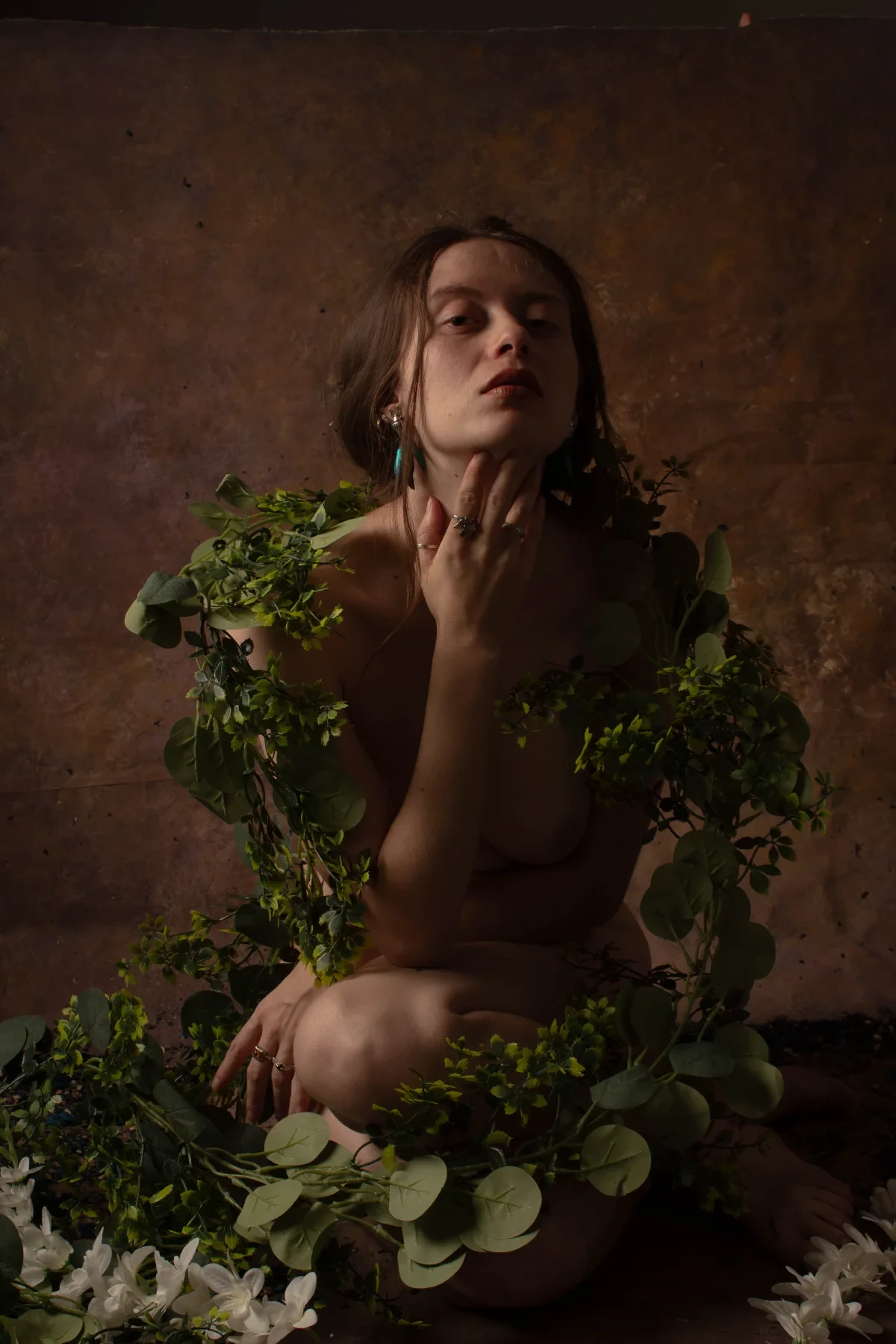
- Creative nude photography practice. Drawing on a process of personal reflection and each student's creative vision, a series of nude photographs will be produced around a previously agreed narrative thread, with creativity at the heart of the work.
Topic 5. Product photography practice
- Characteristics of product photography. Lighting techniques.
- Review of product photography by various photographers, with analysis of lighting and composition.
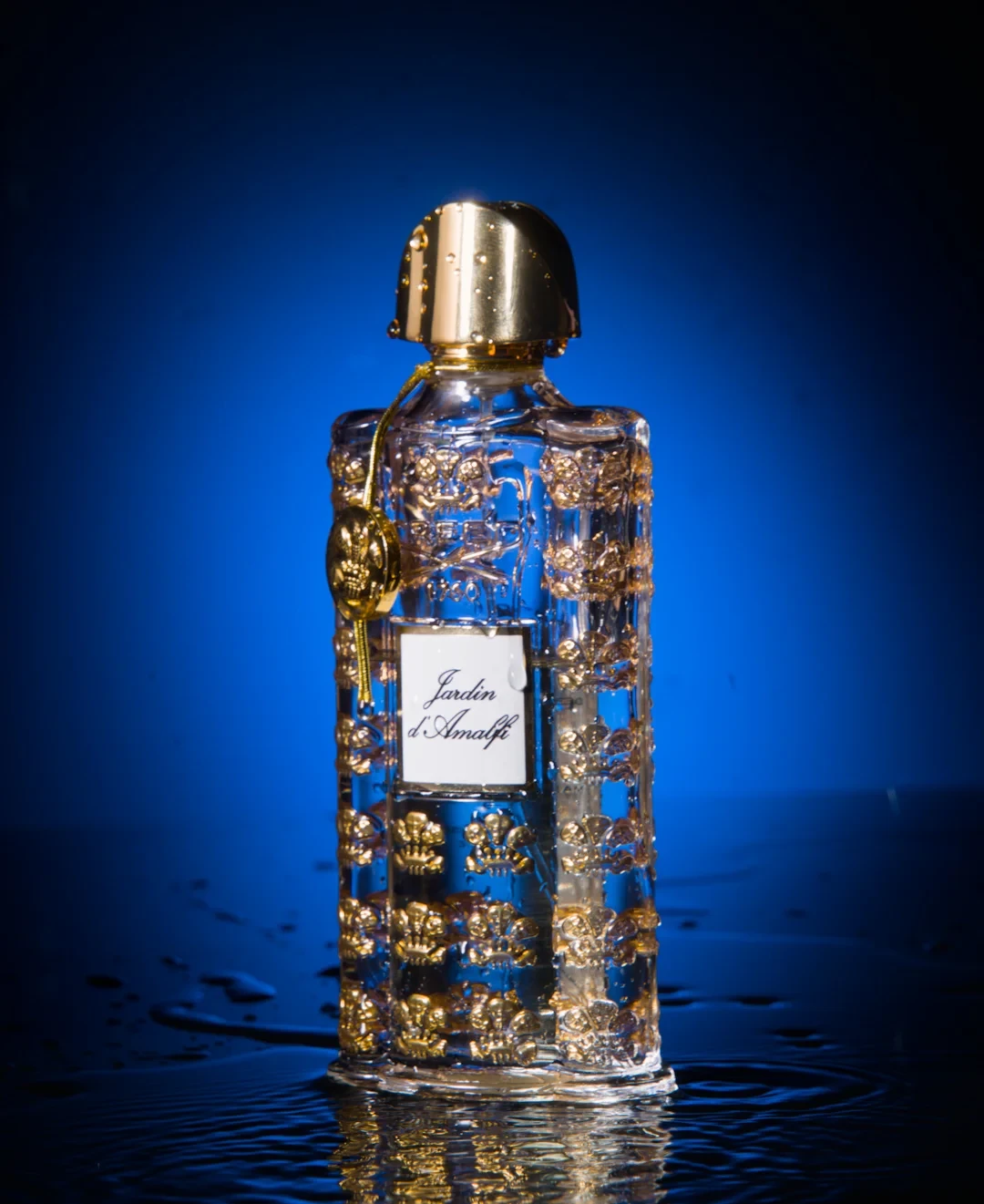
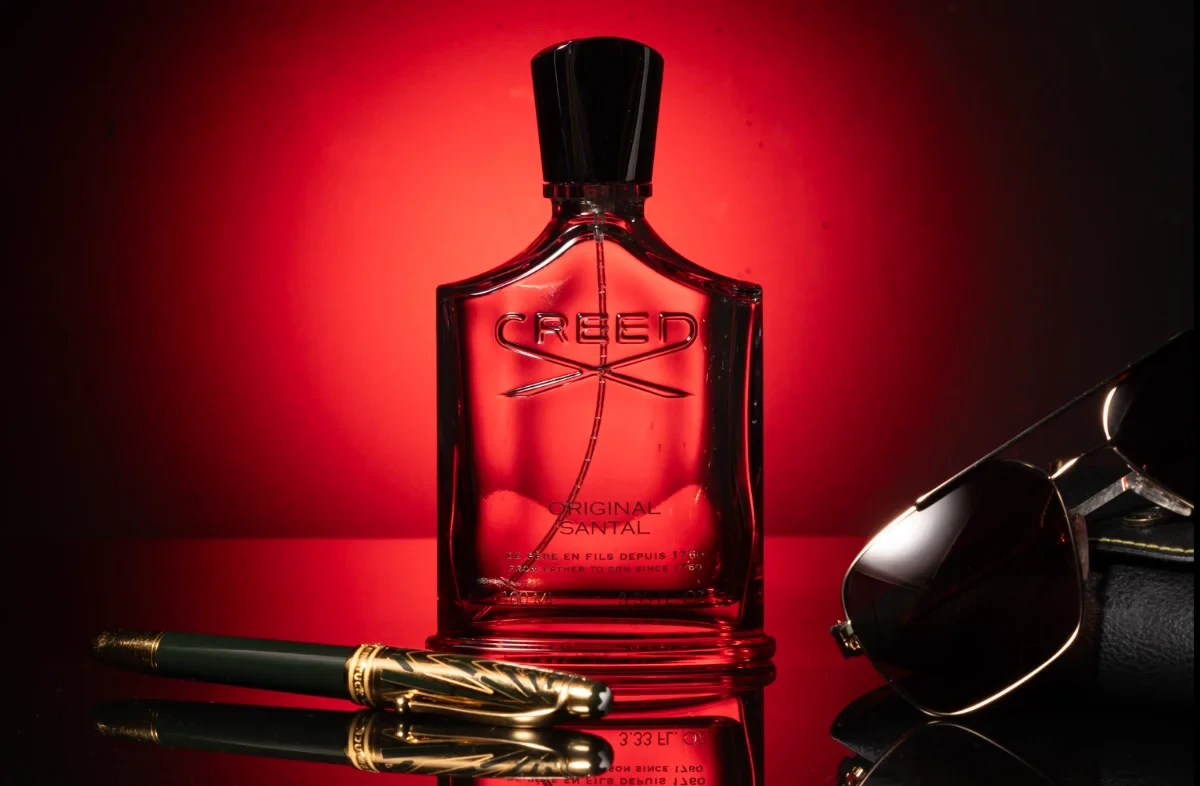
- Product photography practice. In this session students will engage with the production of commercial product photography, exploring the most widely used lighting setups in the industry and learning to design lighting solutions based on the specific characteristics of the product being photographed.
Topic 6. Continuous light and natural light. Conclusions
- Continuous light. Lighting setups using continuous light will be applied, including mixed lighting with flash.
- Natural light. We will examine how natural light behaves at different times of day and explore its use in combination with flash and continuous light.
- Portfolio review. In this final session, the photographic work produced by students throughout the course will be assessed and discussed.
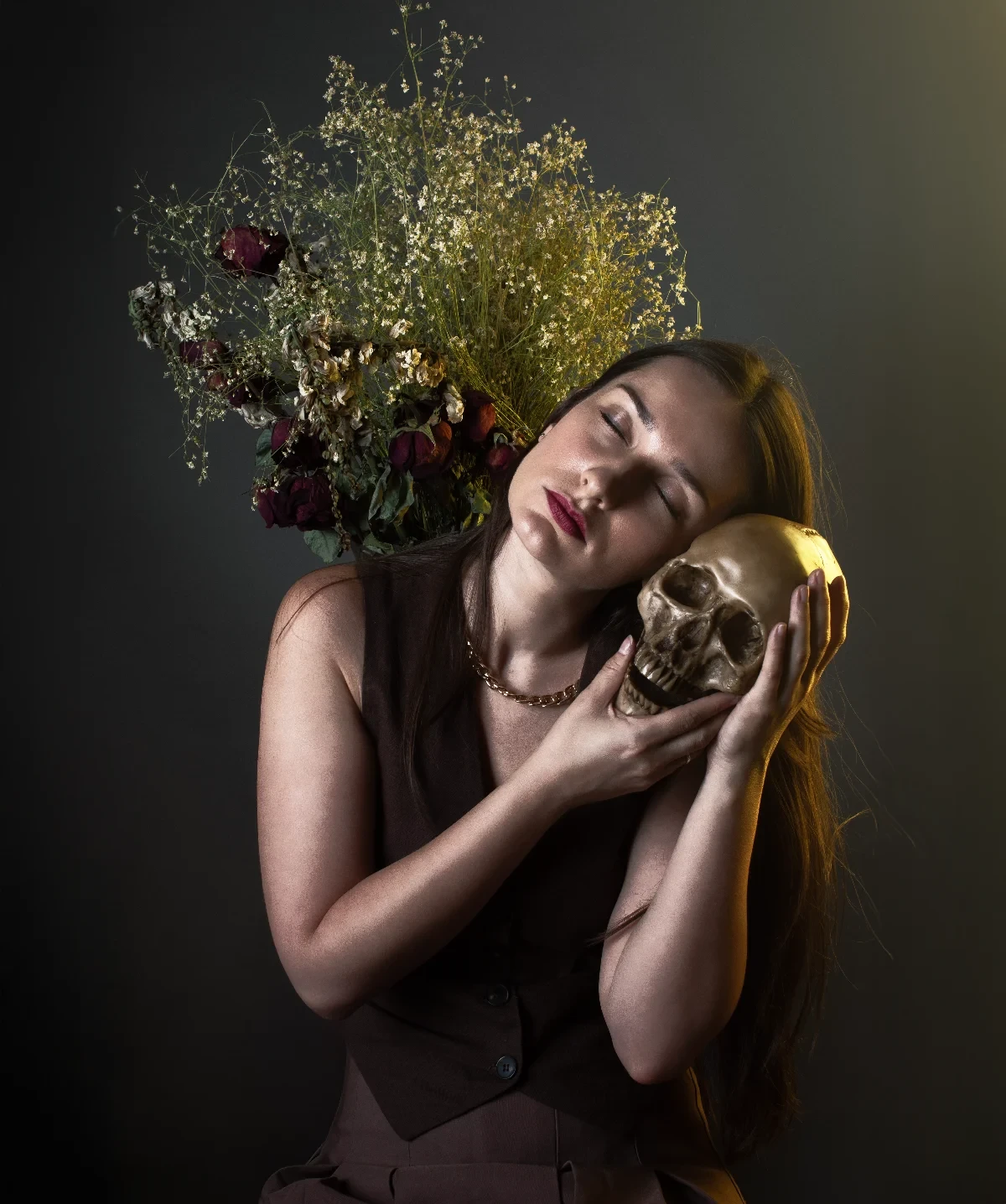
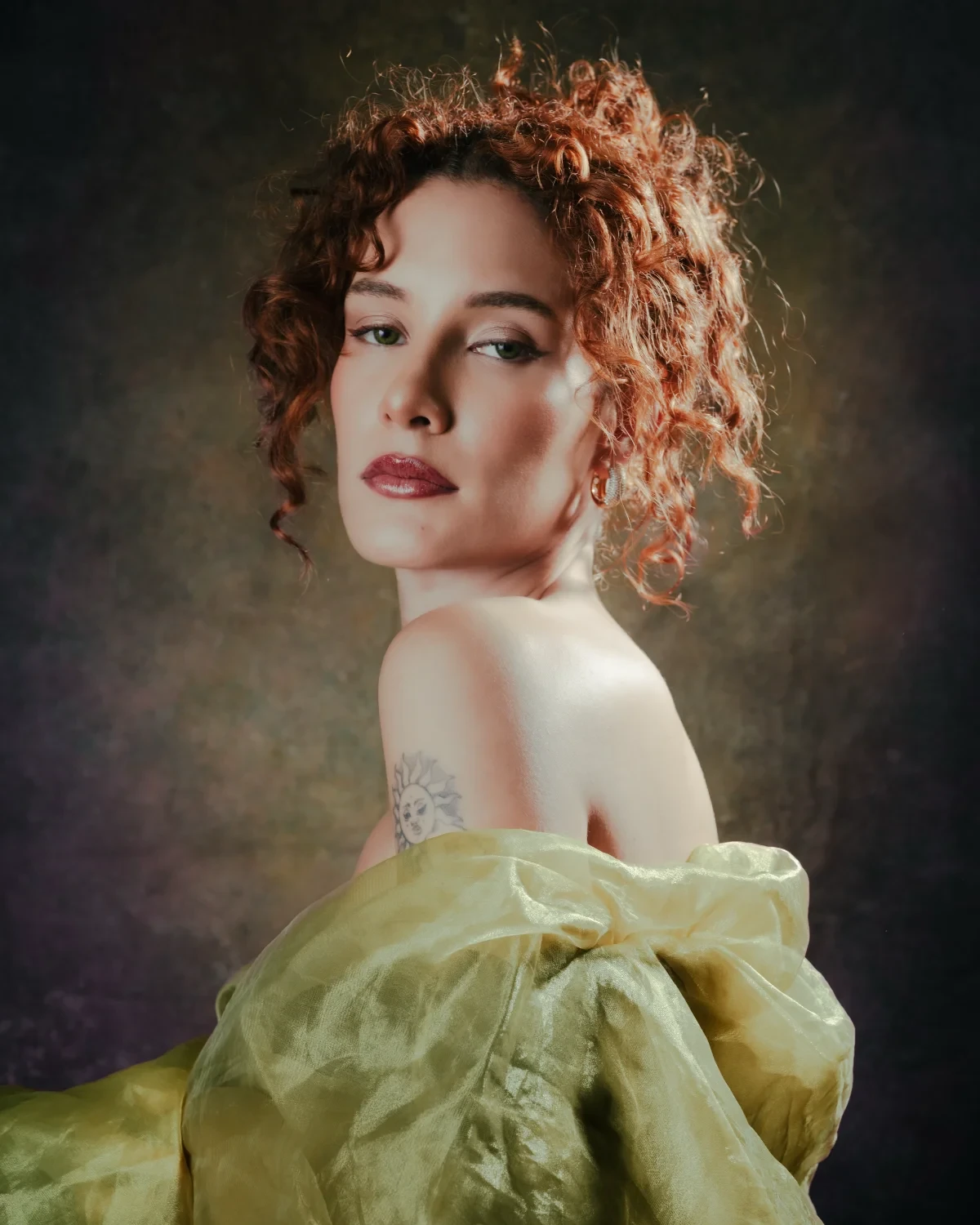
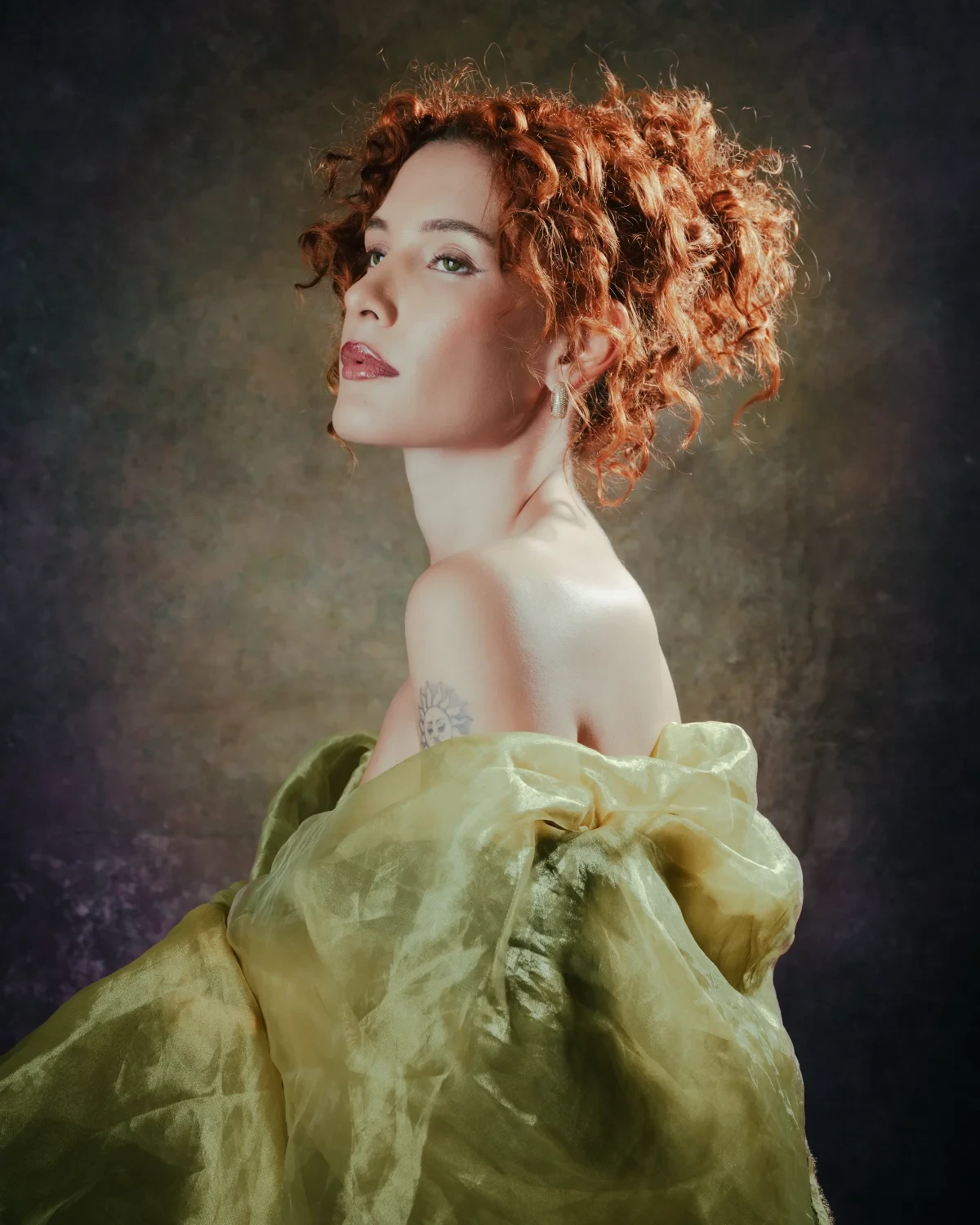
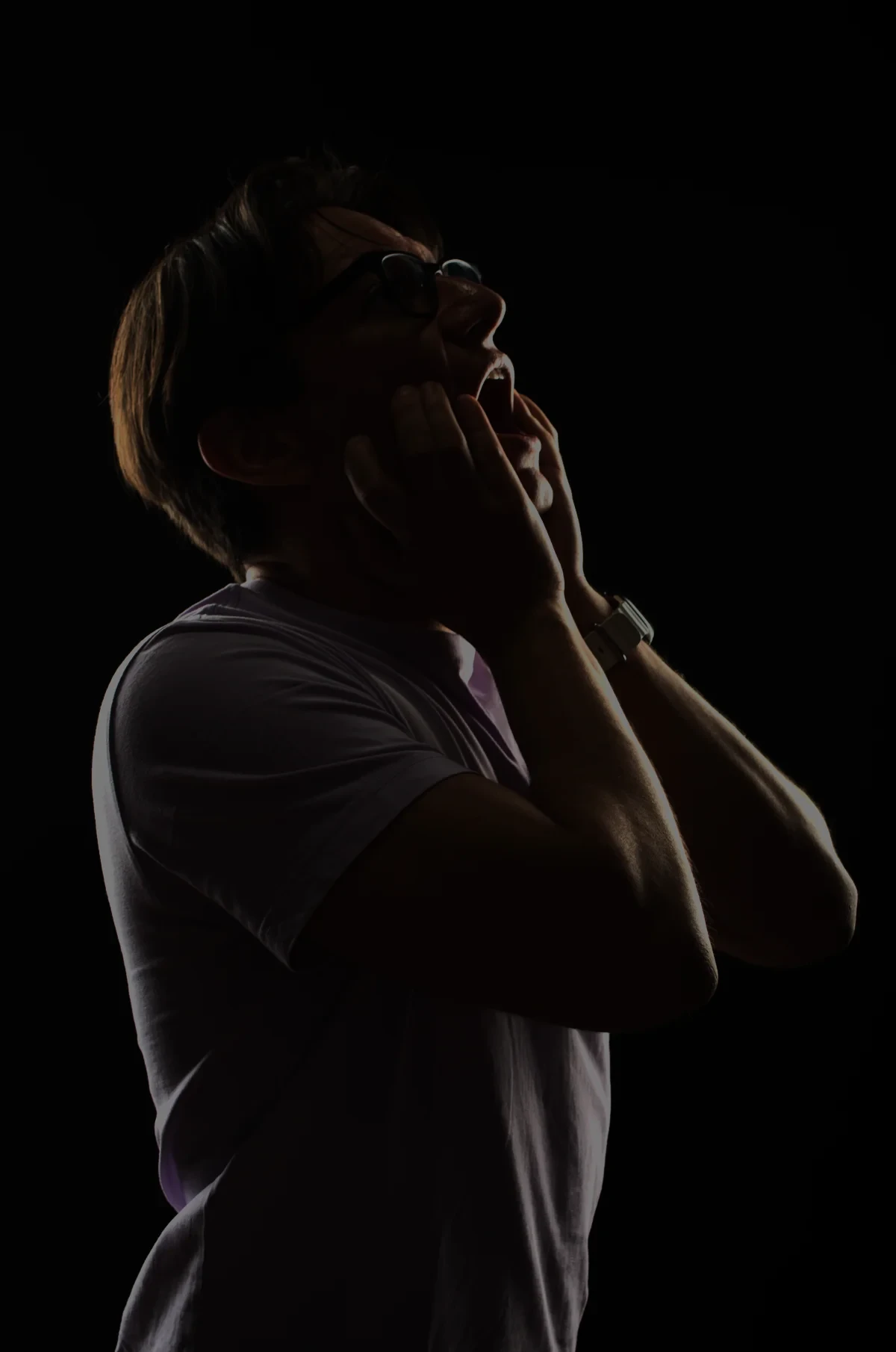
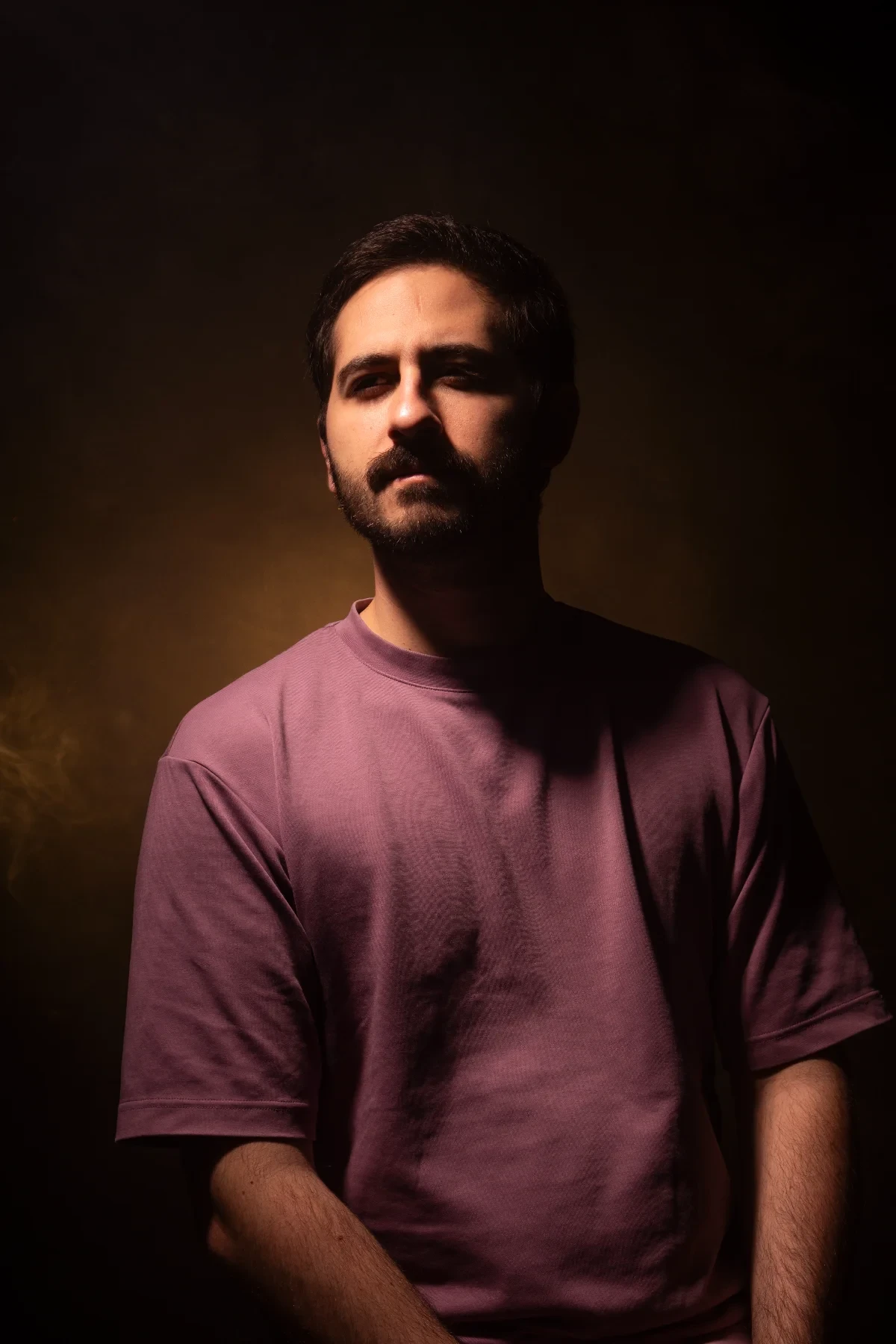
Student gallery
Teacher

Requirements
- Complete online enrolment
- Own a digital camera with manual mode
- Basic knowledge of photography
Frequently asked questions
Are there any extra costs during the course?
Are there any cameras you wouldn't recommend for this course?
Your place in the program is waiting for you
Enrol online in two minutes and pay the rest monthly


